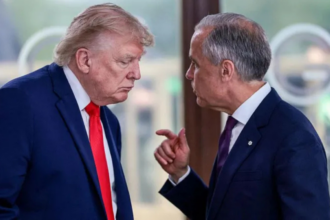


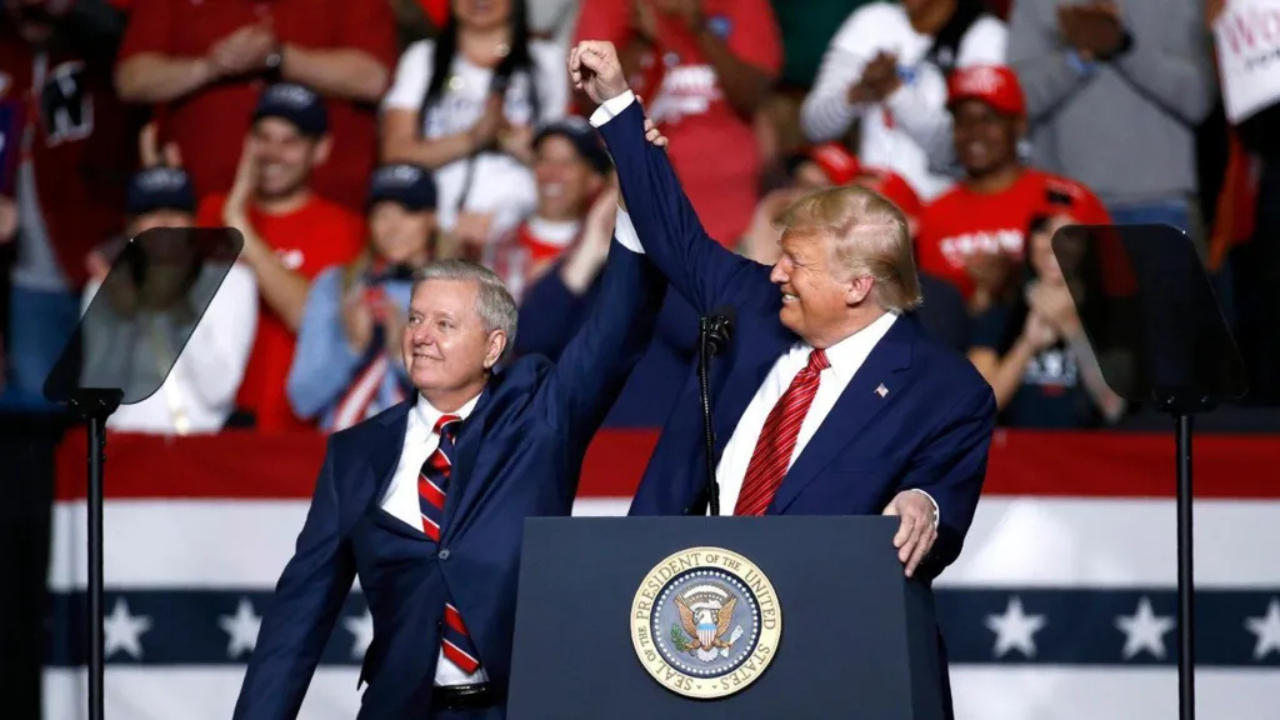
Lindsey Graham spent more than two decades in the U.S. Senate building a reputation as one of the Republican Party’s most recognizable voices on national security and foreign policy. His death at the age of 71 marks the end of a political career that mirrored the Republican Party’s transformation during the Donald Trump era.
Representing South Carolina since 2003, Graham became known for advocating a strong American role overseas. He consistently supported military assistance for allies, argued for a tough approach toward Russia, backed Israel’s security and frequently called for stronger action against Iran. Those positions remained central to his political identity even as his domestic political alliances evolved.
Photo Credit: Getty Images
A Reputation Built on Bipartisan Relationships
Early in his Senate career, Graham developed a close partnership with the late Senator John McCain. Together, they became prominent Republican voices on defense, foreign affairs and immigration, often working across party lines despite growing political polarization.
That willingness to cooperate shaped Graham’s early national profile. During his brief 2016 presidential campaign, he promoted compromise and practical dealmaking, arguing that Washington functioned best when lawmakers from opposing parties maintained personal relationships.
Even after partisan divisions deepened, Graham retained friendships with several Democratic senators, many of whom later praised his ability to maintain personal respect despite political disagreements.
From Fierce Trump Critic to Trusted Ally
One of the defining chapters of Graham’s career was his evolving relationship with Donald Trump.
During the 2016 Republican presidential primary, Graham emerged as one of Trump’s sharpest Republican critics. He publicly questioned Trump’s fitness for office, condemned his rhetoric and warned that nominating him could damage the Republican Party.
Following Trump’s election victory, Graham gradually shifted his approach. As Trump consolidated control over the GOP, the South Carolina senator became one of the administration’s most dependable supporters. The two developed a close working relationship that extended beyond politics, with Graham regularly defending Trump’s policies on television and backing key judicial nominations and legislative priorities.
Photo Credit: Getty Images
A Brief Break After January 6
Graham’s alliance with Trump briefly fractured following the January 6, 2021, attack on the U.S. Capitol.
After lawmakers were forced to evacuate during the certification of the 2020 presidential election, Graham publicly declared that his political partnership with Trump had reached its limit.
That separation proved temporary. Within weeks, Graham voted to acquit Trump during his second impeachment trial. As Trump returned to the center of Republican politics, Graham renewed his support, arguing that he judged the former president primarily on his record in office rather than his personal conduct.
Foreign Policy Remained His Defining Issue
Although Graham’s political alliances shifted over time, his foreign policy priorities remained remarkably consistent.
He strongly advocated continued American support for Ukraine following Russia’s invasion, encouraged firm sanctions against Moscow and repeatedly argued that the United States should maintain a leading global role.
He also became one of Congress’s strongest supporters of Israel and frequently urged a tougher U.S. response toward Iran, including backing military action when he believed American interests or allies were threatened. Those positions made him one of the Senate’s most influential foreign policy hawks throughout multiple administrations.
Influence Beyond South Carolina
By the time of his death, Graham had accumulated more than two decades of Senate seniority, giving him considerable influence over national legislation, judicial confirmations and Republican strategy.
His passing leaves Republicans with both an immediate political challenge and a leadership gap. South Carolina Governor Henry McMaster is expected to appoint an interim replacement before voters ultimately choose a successor in a special election process. Whoever succeeds Graham will enter the Senate without the institutional influence and long-established relationships that he spent years building.
A Career Reflecting a Changing Republican Party
Lindsey Graham’s political legacy is likely to be remembered as much for adaptation as conviction.
He remained steadfast on national security and America’s global role while navigating one of the most significant ideological shifts in modern Republican politics. His transformation from one of Donald Trump’s most vocal Republican critics into one of his closest Senate allies reflected broader changes within the party itself.
Supporters viewed Graham as a pragmatic lawmaker willing to adjust to political realities while continuing to advance his policy priorities. Critics argued that his changing relationship with Trump represented a dramatic departure from his earlier principles. Regardless of perspective, his influence on U.S. politics, foreign policy debates and the modern Republican Party will remain part of his lasting legacy.