

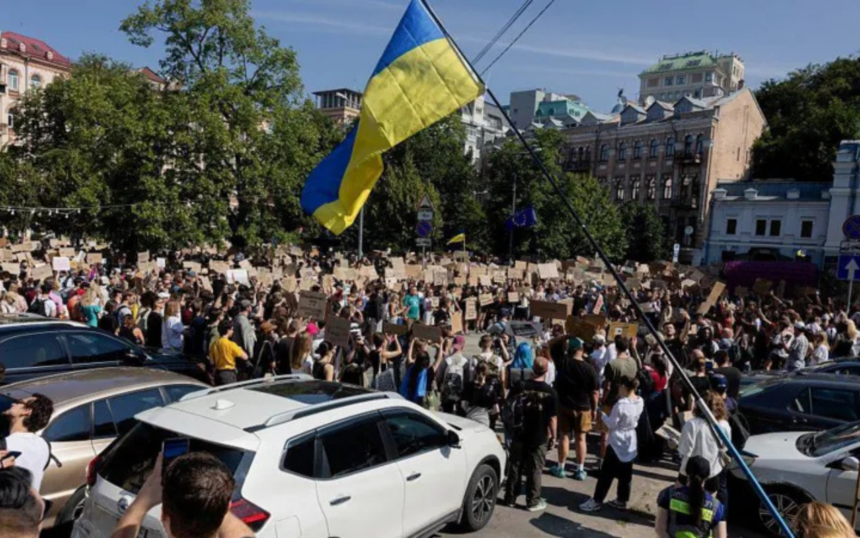
Protests broke out in Kyiv and several other Ukrainian cities on Thursday after President Volodymyr Zelensky unexpectedly dismissed Defence Minister Mykhailo Fedorov, a move that has sparked one of the most visible displays of public discontent in Ukraine during the ongoing war with Russia.
In central Kyiv, hundreds of people gathered carrying signs in support of Fedorov and chanting slogans criticizing the decision. Many protesters were young Ukrainians who argued that removing the defence minister at a critical stage of the conflict could undermine military reforms and weaken confidence in the country’s leadership.
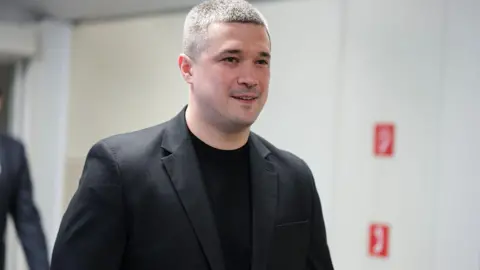 Photo Credit:Getty Images
A Popular Figure at the Defence Ministry
Fedorov, 35, had been appointed defence minister earlier this year after previously leading Ukraine’s digital transformation efforts. During his short tenure at the ministry, he became closely associated with efforts to modernize military management, strengthen procurement oversight, expand drone capabilities and introduce technology-driven reforms aimed at improving battlefield performance.
His leadership earned support from many within Ukraine’s military community and among civil society groups, making his dismissal particularly controversial. While confirming his departure, Fedorov highlighted several achievements made during his time in office, although he acknowledged that broader reforms remained unfinished.
Zelensky Yet to Explain Decision
President Zelensky has not publicly provided a detailed explanation for replacing Fedorov, leaving room for growing speculation among political observers and lawmakers. The lack of an official justification has intensified criticism from commentators, members of parliament and parts of Ukraine’s defence establishment.
Parliament was expected to vote on appointing Interior Minister Ihor Klymenko as the country’s new defence minister as part of a broader government reshuffle that has also brought changes at the highest levels of government.
Rare Wartime Public Opposition
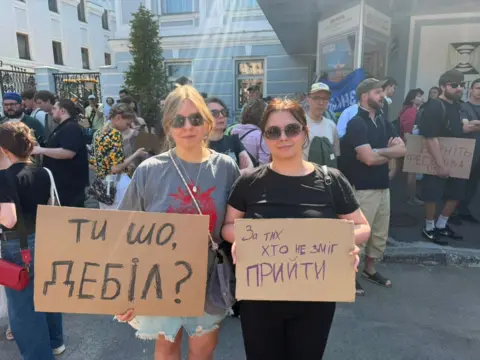
Large public demonstrations have been uncommon since Russia launched its full-scale invasion in 2022, as national unity has largely remained a priority throughout the war. The latest rallies therefore stand out as a significant political moment, reflecting concern over leadership decisions affecting Ukraine’s defence strategy rather than opposition to the country’s wartime effort.
The controversy has also extended beyond street protests. Reports indicate that at least one senior military official resigned in protest following Fedorov’s removal, describing the decision as harmful to Ukraine’s defence capabilities.
Why the Decision Matters
Ukraine continues to face sustained Russian military pressure while relying on continued domestic resilience and international support. Frequent leadership changes within key ministries inevitably attract close scrutiny because they can affect military planning, defence procurement and relations with Western partners.
For many Ukrainians, the debate is less about a single cabinet appointment than about maintaining stability and confidence in institutions responsible for managing the country’s defence during wartime. As parliament considers the proposed replacement and the government presses ahead with a wider reshuffle, attention is likely to remain focused on whether officials can reassure both the public and Ukraine’s international allies that defence reforms will continue without interruption.