


As the automotive industry becomes increasingly driven by software and digital diagnostics, one corner of the sector is proving that traditional craftsmanship still has a vital role to play. Heritage vehicle restoration is embracing new technology without abandoning the hands-on skills that have defined the trade for decades.
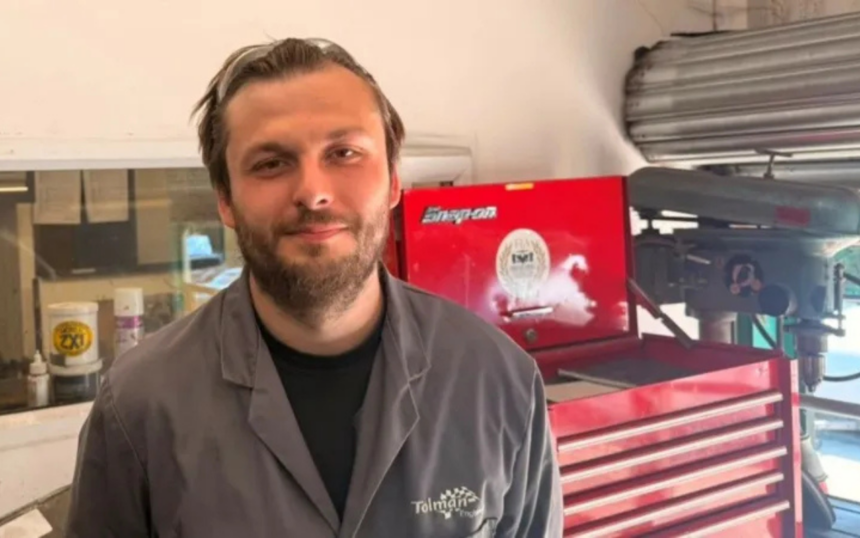
For 29-year-old apprentice Ollie Priestley, that balance is exactly what drew him into the profession. Training with specialist restoration company Tolman, he is working toward qualification as a heritage vehicle technician, learning how to restore modern classic cars by combining conventional engineering techniques with cutting-edge manufacturing tools.
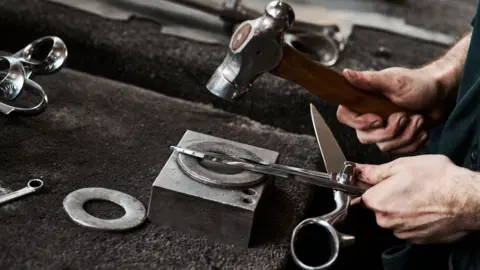 Photo Credit: Ernest Wright
Preserving Classic Cars Through New Technology
Unlike many modern vehicle repair roles, restoring older cars often requires technicians to build or recreate parts that are no longer available. That challenge has led restoration specialists to adopt technologies such as computer-aided design (CAD), 3D printing and advanced electronic diagnostics alongside traditional metalworking and fabrication skills.
For Priestley, whose enthusiasm includes iconic performance cars such as the Peugeot 205 GTi, the apprenticeship offers an opportunity to work on vehicles he has long admired while developing practical engineering expertise.
Among his recent projects was fabricating a gearbox mount for a classic BMW, giving him firsthand experience of producing custom components that help return historic vehicles to the road.
More Than Replacing Parts
Chris Tolman, founder of the Warwickshire-based restoration business, believes specialist apprentices receive a fundamentally different type of training from technicians working in many mainstream dealerships.
He argues that while modern diagnostic software has made fault-finding faster, technicians in specialist restoration workshops still need to investigate problems independently, understand how older mechanical systems function and devise creative engineering solutions when replacement components are unavailable.
That combination of analytical thinking and practical craftsmanship is becoming increasingly valuable as interest in preserving classic and collector vehicles continues.
A Changing Automotive Skills Landscape
Vehicle technology has changed dramatically over recent decades, with electronics, onboard computers and digital systems becoming standard across the industry. Even so, thousands of historic and modern classic vehicles remain in regular use, creating demand for technicians capable of maintaining machinery built long before today’s diagnostic systems became commonplace.
Training programmes focused on heritage vehicles aim to bridge that gap by equipping apprentices with expertise in both traditional restoration methods and modern engineering technologies. The result is a workforce able to preserve automotive history while taking advantage of tools that improve accuracy, efficiency and parts production.
Looking Ahead
As classic vehicles continue to attract enthusiasts and collectors, the need for specialist restoration skills is expected to remain strong. Apprenticeships that combine manual craftsmanship with digital innovation could play an important role in ensuring those skills are passed on to a new generation.
For trainees like Priestley, the appeal lies not only in learning a trade but also in helping keep historic vehicles on the road—one carefully restored component at a time.