


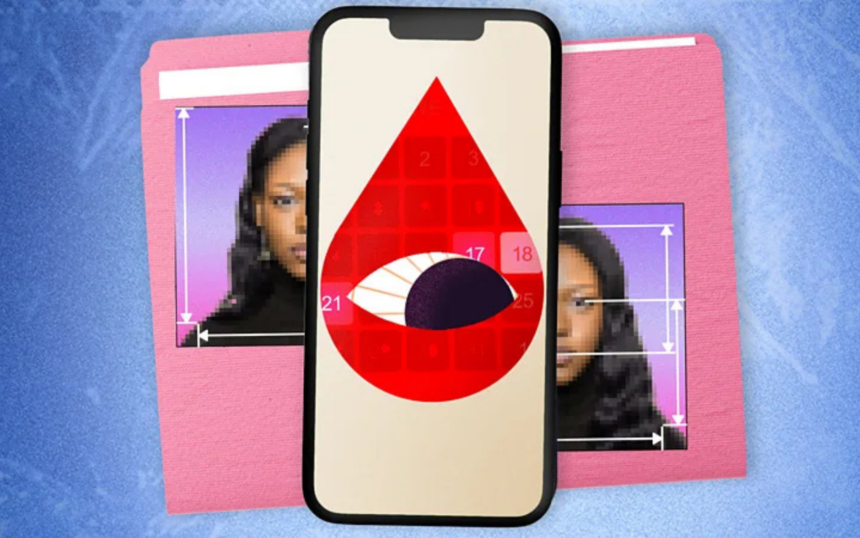
Millions of people rely on period tracking apps to monitor menstrual cycles, fertility and reproductive health. But a new investigation suggests that the level of privacy users receive can vary significantly depending on which app they choose.
The Mozilla Foundation, the nonprofit behind the Firefox web browser, reviewed the privacy practices of six widely used period tracking apps: Flo, Clue, Stardust, Spot On, Period Calendar and Euki. The research highlights how differently these services manage sensitive health information, even as many promote strong commitments to user privacy.
Privacy promises under scrutiny
Among the apps examined was Stardust, which combines menstrual cycle tracking with astrology-inspired features and advertises that users’ information remains private.
The report argues that privacy claims can mean different things in practice. Researchers found that while companies may describe their data as private, their policies and data-handling practices do not always provide the same level of protection users might expect.
Because period tracking apps collect highly personal information—including menstrual cycles, symptoms, fertility data and pregnancy-related details—privacy advocates say transparency about how that information is stored, processed and shared is especially important.
Wide differences between apps
According to the Mozilla Foundation’s analysis, the six apps differed considerably in their approach to data protection.
Some services were found to offer stronger safeguards, such as collecting less personal information or providing clearer privacy controls. Others raised concerns over data-sharing practices, policy language or the amount of user information collected.
The findings do not suggest that every app mishandles data. Instead, they point to a broad range of privacy standards across the industry, making it difficult for users to know how their information may be used without carefully reviewing each company’s policies.
Why health data requires extra protection
Information entered into period tracking apps is considered among the most sensitive forms of personal data. Beyond recording menstrual cycles, these platforms may reveal details about fertility, pregnancy planning, hormone changes and other aspects of reproductive health.
Privacy experts have increasingly warned that such information deserves heightened protection because it can paint a detailed picture of a person’s health and lifestyle. As digital health tools become more common, questions about data security, third-party sharing and user consent have become central to broader discussions about online privacy.
Growing focus on digital privacy
The report arrives as technology companies face increasing scrutiny over how they collect and process personal information. Regulators and consumer advocates around the world have pushed for greater transparency, clearer consent mechanisms and stronger protections for sensitive health data.
For users, the findings serve as a reminder that privacy policies and app settings can differ widely, even among services offering similar features. Reviewing permissions, understanding how data is handled and choosing apps with stronger privacy practices can help users make more informed decisions about where they store personal health information.
As digital health applications continue to grow in popularity, privacy is likely to remain a key factor alongside convenience and functionality. The Mozilla Foundation’s latest research adds to ongoing conversations about how companies should protect some of their users’ most personal information.