


Chinese human rights activist Dong Guangping says he was prepared to risk his life for the chance to live freely after making a hazardous journey across the sea from China in a small inflatable boat.
Now reunited with his family in Canada, the 68-year-old has described the physical and emotional toll of the escape, saying his determination to leave China outweighed the dangers he faced on open water. During the voyage, he battled exhaustion, severe sunburn and failing equipment while relying on a smartphone compass to navigate toward South Korea.
“I must get out into the free world,” Dong said, reflecting on the decision that led him to undertake one of the most dangerous chapters of his life.
 Photo Credit: Dong Guangping
A risky journey across open water
Dong spent more than 30 hours at sea in an inflatable boat after departing from China’s Shandong province, according to accounts shared by supporters and later confirmed through official reports. With no visible landmarks and limited supplies, he faced the possibility of becoming stranded before reaching Korean waters.
South Korea’s coast guard eventually rescued him after a fishing vessel reported spotting the small boat. Authorities detained him while investigating immigration-related matters before his case moved through legal procedures.
Years of imprisonment and failed escapes
Dong’s escape followed years of conflict with Chinese authorities over his activism. A former police officer, he has previously been imprisoned for activities linked to democracy advocacy and participation in events commemorating the 1989 Tiananmen Square crackdown.
His attempts to leave China had repeatedly ended in failure. After fleeing to Thailand and later Vietnam in previous years, he was returned to China on separate occasions, drawing criticism from international human rights organizations concerned about the treatment of political dissidents.
Reunited with family in Canada
Following his arrival in South Korea, Dong was eventually able to travel to Canada, where members of his family had already been granted asylum. His arrival marked the end of a years-long effort to reunite with relatives after repeated setbacks and periods of detention.
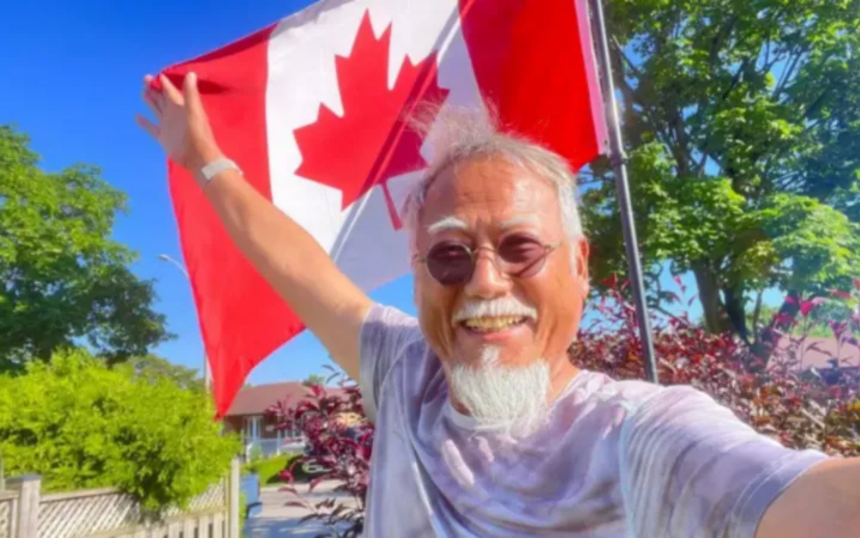
Photographs released after his resettlement show Dong holding a Canadian flag outside his new home, symbolizing what he described as a long-awaited return to freedom.
Why the case has drawn attention
Human rights groups have closely followed Dong’s case, arguing that political activists returned to China can face severe punishment. His latest escape has renewed attention on the challenges encountered by Chinese dissidents seeking asylum abroad and the difficult choices some make when legal routes out of the country are unavailable.
Dong’s story also highlights the risks associated with irregular sea crossings, where small navigational errors, harsh weather or equipment failure can quickly become life-threatening.
What comes next
Having finally settled in Canada, Dong says he hopes to live without fear after years marked by imprisonment, surveillance and repeated attempts to flee. While his personal journey has reached a safer destination, his experience continues to serve as a reminder of the risks some political activists are willing to take in pursuit of freedom.