

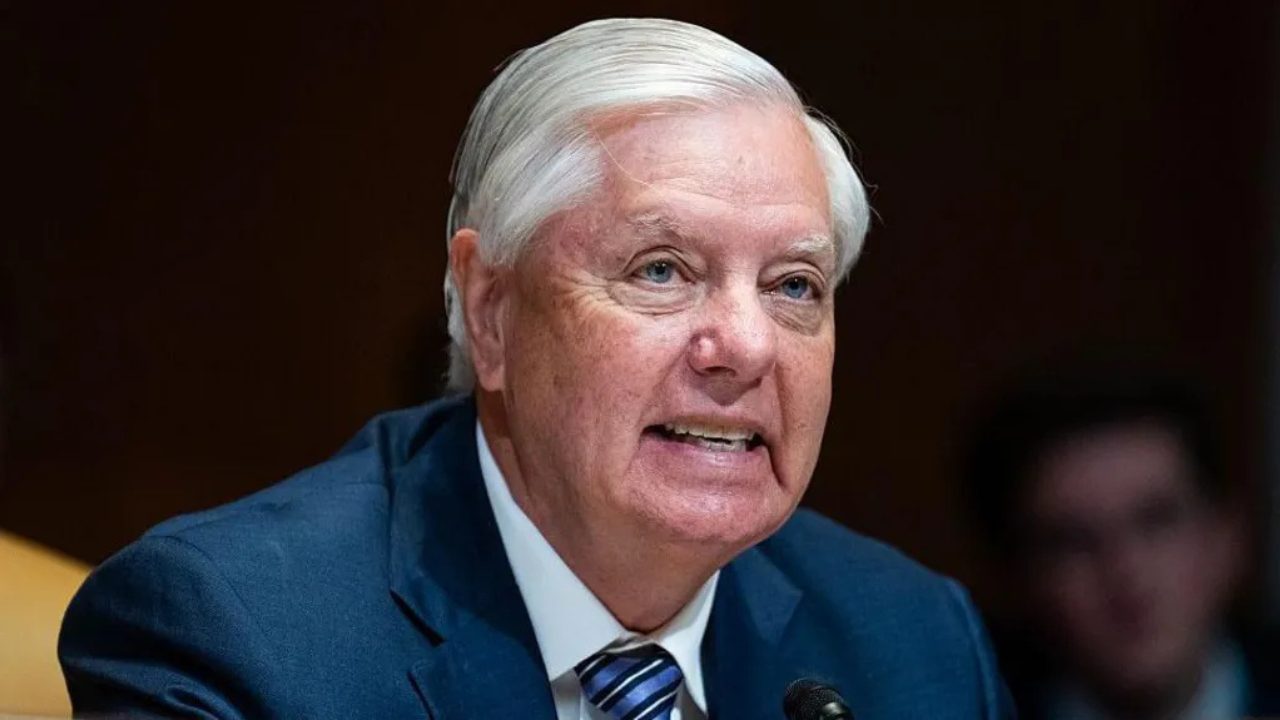
Republican Senator Lindsey Graham, a veteran South Carolina lawmaker and one of President Donald Trump’s closest allies in Congress, has died at the age of 71 after what his office described as a brief and sudden illness. According to preliminary findings from the medical examiner, Graham’s death was caused by a rupture of the aorta, the body’s main artery leading from the heart. Further medical examinations are expected to confirm the final cause of death.
The news came as a shock in Washington because Graham had remained highly active in public life. Just a day before his death, he had returned from a visit to Kyiv, where he met Ukrainian President Volodymyr Zelensky to discuss continued support for Ukraine and efforts to increase pressure on Russia. There had been no publicly known concerns about his health before the trip.
Photo Credit: CQ-Roll Call, Inc via Getty Images
Trump Pays Tribute to a Longtime Political Ally
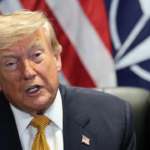
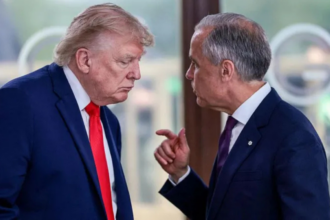
President Donald Trump remembered Graham as a loyal friend and dedicated public servant. Speaking after learning of the senator’s death, Trump said he had spoken with Graham only hours earlier and described him as sounding slightly tired but otherwise in good spirits.
The president praised Graham’s determination and persistence, calling him “a true American Patriot” whose influence on American politics would be remembered for years to come.
A Career Defined by National Security
First elected to the U.S. Senate in 2002, Graham spent more than two decades representing South Carolina in Washington after previously serving in the House of Representatives and the U.S. Air Force’s Judge Advocate General’s Corps.
Throughout his Senate career, he became one of the Republican Party’s most recognizable voices on defense and foreign affairs. Graham consistently argued for a strong U.S. military presence overseas, backed military operations in Iraq and Afghanistan, strongly supported Israel, and remained one of Congress’s most vocal advocates for continued military assistance to Ukraine.
Only weeks before his death, Graham continued to make national television appearances defending an assertive U.S. foreign policy, including a hardline approach toward Iran and continued sanctions against Russia.
From Trump Critic to Trusted Ally
One of the most remarkable chapters of Graham’s political career was his evolving relationship with Donald Trump.
During the 2016 Republican presidential primary, Graham was among Trump’s sharpest critics, warning fellow Republicans against supporting his candidacy. Their relationship appeared to deteriorate further after the January 6, 2021, attack on the U.S. Capitol, when Graham publicly distanced himself from the president.
Over the following years, though, the senator became one of Trump’s most reliable allies. He defended many of Trump’s policy priorities, backed his 2024 presidential campaign and frequently appeared alongside the president on issues ranging from border security to judicial appointments and foreign policy.
Tributes From Around the World
Leaders in the United States and abroad responded quickly following news of Graham’s death.
Ukrainian President Volodymyr Zelensky said the world had lost a determined leader who consistently supported Ukraine during its war with Russia. Israeli Prime Minister Benjamin Netanyahu also praised Graham’s longstanding backing of Israel, describing him as one of the country’s strongest friends in Washington.
The tributes reflected Graham’s influence beyond domestic politics, particularly his role in shaping debates over international security and U.S. alliances.
Under South Carolina law, Governor Henry McMaster is expected to appoint a temporary replacement to serve until the remainder of Graham’s current Senate term. Voters will choose a permanent successor during November’s midterm elections.
His death also carries political significance in Washington, where Republicans held a 53-47 Senate majority before his passing. With another Republican senator currently absent because of an ongoing medical condition, Graham’s death could complicate the party’s legislative agenda in the months leading up to the elections.
End of a Long Political Career
Graham’s career spanned more than three decades in public service, beginning with military legal service before moving into state politics, the U.S. House of Representatives and eventually the Senate. His outspoken positions on national security, willingness to work across international issues and evolving role within the Republican Party made him one of the most recognizable figures in American politics.
His sudden death leaves a vacancy in the Senate and closes the chapter on a lawmaker whose influence extended well beyond South Carolina, shaping U.S. foreign policy debates across multiple presidential administrations.