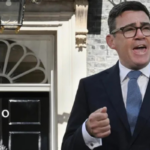


Andy Burnham has entered Downing Street with a message centred on hope, unity and restoring trust in politics. After becoming Britain’s new prime minister following Keir Starmer’s departure, Burnham has said he wants to build “a new politics based on unity and hope” while shifting power away from Westminster and giving communities a stronger voice.
The ambition is straightforward. Achieving it is anything but.
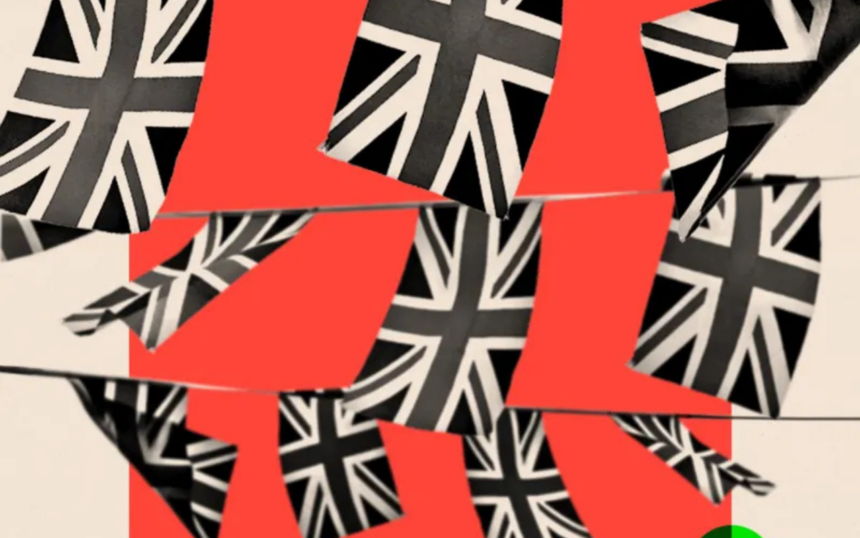
Britain remains a country marked by political, economic and cultural fault lines that have widened over the past decade. Those divisions extend well beyond party politics, touching everything from regional inequality and public services to Brexit, identity and trust in government.
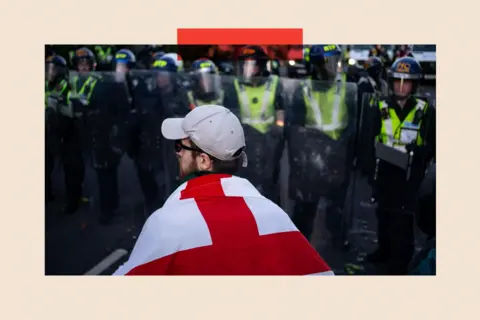 Photo Credit: SOPA Images/LightRocket via Getty Images
Divisions Run Deeper Than Elections
Modern Britain has experienced repeated political upheaval, with changes of leadership, economic shocks and growing public frustration contributing to an increasingly fragmented national mood. Many communities feel disconnected from decision-makers in London, while debates over immigration, taxation, public spending and constitutional reform continue to divide voters.
These pressures are not unique to Britain. Political observers have frequently compared the increasingly polarised atmosphere in several Western democracies, including the United States, where social and political divisions have become central features of public life.
Burnham inherits this environment at a time when expectations for change are high.
A Different Governing Approach
Throughout his political career, Burnham has argued that Britain has become too centralised. As Mayor of Greater Manchester, he built his reputation by championing greater powers for cities and regions, often presenting local decision-making as a way to improve public services and rebuild confidence in politics.
His new administration is expected to continue that emphasis on devolution while pursuing policies aimed at tackling the cost-of-living pressures and strengthening key public services.
Supporters argue that giving local communities more control could help narrow regional inequalities and reduce the sense that Westminster is detached from everyday life.
Obstacles Extend Beyond Policy
Even if Burnham succeeds in advancing his domestic agenda, political unity cannot be created through legislation alone.
Labour itself contains differing views on issues ranging from public spending and taxation to immigration and Britain’s future relationship with Europe. Beyond Parliament, public opinion remains sharply divided on many of the country’s biggest policy questions.
Economic constraints also limit how quickly any government can deliver meaningful change. Ambitious reforms often require significant funding, while ministers must balance investment with pressure to maintain fiscal discipline.
Rebuilding Trust May Be the Bigger Challenge
Perhaps the greatest test facing the new prime minister is restoring confidence in politics itself.
Years of political turbulence have left many voters sceptical that governments can deliver lasting improvements. Winning elections is one challenge; convincing people that political institutions work in their interests is another.
Burnham’s emphasis on unity reflects an understanding that public trust cannot be rebuilt through rhetoric alone. It will depend on whether voters see tangible improvements in their daily lives over the coming years.
What Comes Next
Burnham’s early months in office are likely to set the tone for his premiership. Decisions on public services, regional investment, economic policy and constitutional reform will offer the first indication of how he intends to translate his message of national renewal into practical action.
Whether those efforts can bridge Britain’s entrenched divisions remains uncertain. While Burnham begins his premiership with a pledge to bring the country together, the scale of the political, economic and social challenges before him means that achieving lasting unity may prove to be one of the hardest tasks any modern British leader has faced.