

The US government has made its first compensation payments to personnel affected by the condition widely known as Havana Syndrome, distributing nearly $3 million to current and former federal employees who reported serious neurological symptoms while serving overseas. The payments were issued under the Helping American Victims Afflicted by Neurological Attacks (HAVANA) Act, a law enacted in 2021 to provide financial assistance to qualifying government workers with brain injuries linked to unexplained health incidents.
The Department of Defense said the payments represent the first compensation awarded under the legislation by any US administration. Officials added that caring for affected personnel remains a priority, with ongoing efforts focused on medical treatment, support services and continued evaluation of reported cases.
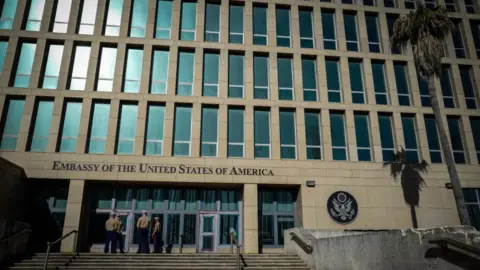
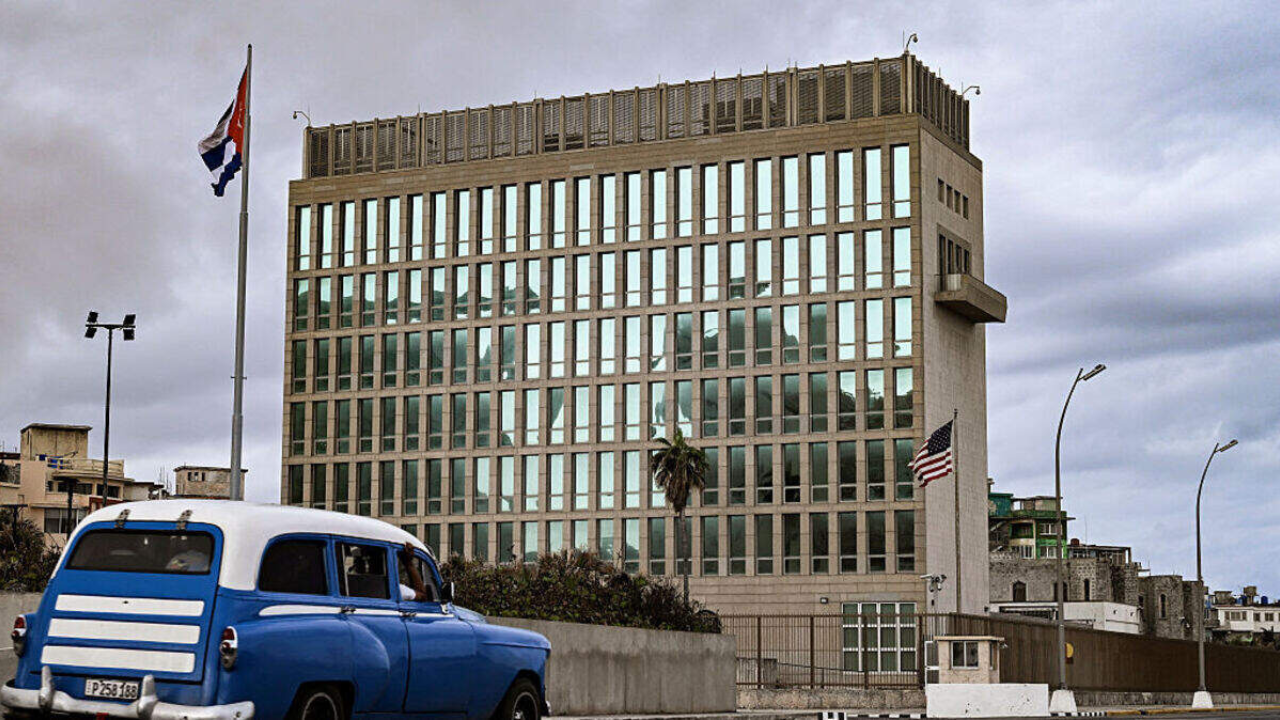
Photo Credit: Getty Images
A Decade of Unanswered Questions
Reports of Havana Syndrome first emerged in 2016 when US diplomats stationed in Havana, Cuba, described experiencing unusual neurological symptoms after hearing strange sounds or feeling intense pressure. Over time, similar incidents were reported by intelligence officers, diplomats and their family members serving in several countries, including China and elsewhere around the world.
Those affected have described a range of symptoms, including dizziness, nausea, severe headaches, hearing unusual noises, balance problems, cognitive difficulties and persistent fatigue. Some individuals have said the health effects continued long after the initial incidents, disrupting both their careers and daily lives.
The condition became a major concern for US national security agencies because many of the reported cases involved personnel working in sensitive diplomatic or intelligence roles overseas.
Debate Over the Cause Continues
For years, Havana Syndrome has been the subject of intense scientific and intelligence scrutiny. Early theories suggested the symptoms might have been caused by directed energy or microwave-based devices, leading to speculation that foreign governments could have targeted American personnel.
Despite those claims, a broad assessment by US intelligence agencies concluded that it was very unlikely a foreign adversary used a new or experimental weapon to deliberately injure US officials in most reported cases. Investigators also stressed that this conclusion does not question the experiences of those who became ill, acknowledging that affected personnel experienced genuine and often debilitating medical symptoms.
A small segment of the intelligence community has continued to examine alternative possibilities, meaning debate over the exact cause has not been completely settled. Researchers have also explored other explanations, but no single theory has been confirmed.
Support for Affected Personnel
The compensation payments mark a significant milestone for employees and families who have spent years seeking official recognition of their health problems. The HAVANA Act was designed to provide financial relief to qualifying government personnel who suffered neurological injuries associated with these unexplained incidents, separate from other workers’ compensation or disability benefits.
Advocates for those affected have long argued that government employees who developed serious health issues while serving overseas deserved both medical care and financial support, regardless of whether investigators ultimately identify the underlying cause.
Although compensation has now begun, investigations into Havana Syndrome remain active. Government agencies continue to study reported cases while refining medical support programs for affected personnel. Recent efforts have also included continued research into possible biological and environmental explanations, alongside reviews of past intelligence assessments.
The latest payments provide tangible assistance to those whose cases qualified under federal guidelines, but they do not resolve the central mystery that has surrounded Havana Syndrome for nearly a decade. Until a definitive cause is established, one of the most unusual health episodes to affect US diplomats and intelligence officers is likely to remain the subject of ongoing scientific and national security investigation.