

The United States has intensified its military campaign against Iran with another round of airstrikes, continuing a sustained operation that officials say is designed to reduce Tehran’s ability to threaten shipping through the strategically vital Strait of Hormuz. The latest strikes marked the 10th consecutive night of US attacks against Iranian targets.
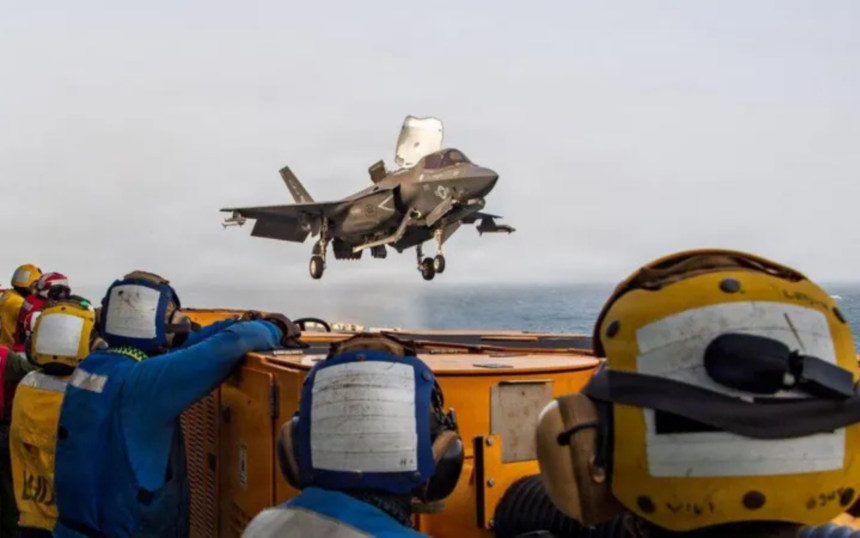
US Central Command said the operation was intended to further weaken Iranian military capabilities linked to attacks on commercial and military vessels operating in and around the Gulf, one of the world’s most important energy transit routes.
Trump promises Iran will “pay”
The renewed military action came hours after President Donald Trump delivered one of his strongest warnings yet to Tehran following the deaths of US service members in recent days.
Trump said Iran had been struck heavily during the previous night’s operations and declared that every attack resulting in the death of an American soldier would bring a much stronger US response. The White House has also confirmed that the president plans to attend ceremonies honoring the fallen troops.
The recent fatalities include two US soldiers killed in Jordan and another service member who died in Iraq, further escalating tensions between Washington and Tehran.
Iran reports counterattacks
Iran responded by announcing a series of retaliatory military actions. According to Iranian state media, Iranian forces targeted two oil tankers in the Strait of Hormuz and launched strikes against US military assets located in Bahrain and Kuwait.
Iranian President Masoud Pezeshkian described the conflict as a “full-scale war” with the United States, underscoring the sharp deterioration in relations between the two countries.
Strait of Hormuz remains at the center of the conflict
Much of the fighting continues to revolve around the Strait of Hormuz, a narrow maritime corridor through which a significant share of the world’s oil exports passes. Any disruption to shipping in the waterway has the potential to affect global energy markets and international trade.
US officials have repeatedly stated that recent operations are intended to protect freedom of navigation and reduce Iran’s capacity to threaten commercial shipping in the region.
Diplomatic contacts continue despite fighting
Despite the escalating military confrontation, diplomatic communication has not completely ceased.
Iranian officials said indirect messages continue to be exchanged between Tehran and Washington through intermediaries, even after efforts to preserve a ceasefire broke down. The continued backchannel contacts suggest both sides are leaving open the possibility of future negotiations while military operations continue.
What happens next
The latest exchange of strikes highlights the growing risk of a wider regional conflict as both countries continue military operations while maintaining limited diplomatic channels. With the Strait of Hormuz remaining a strategic flashpoint and casualties mounting on both sides, international attention is expected to remain focused on whether diplomatic efforts can prevent further escalation.