

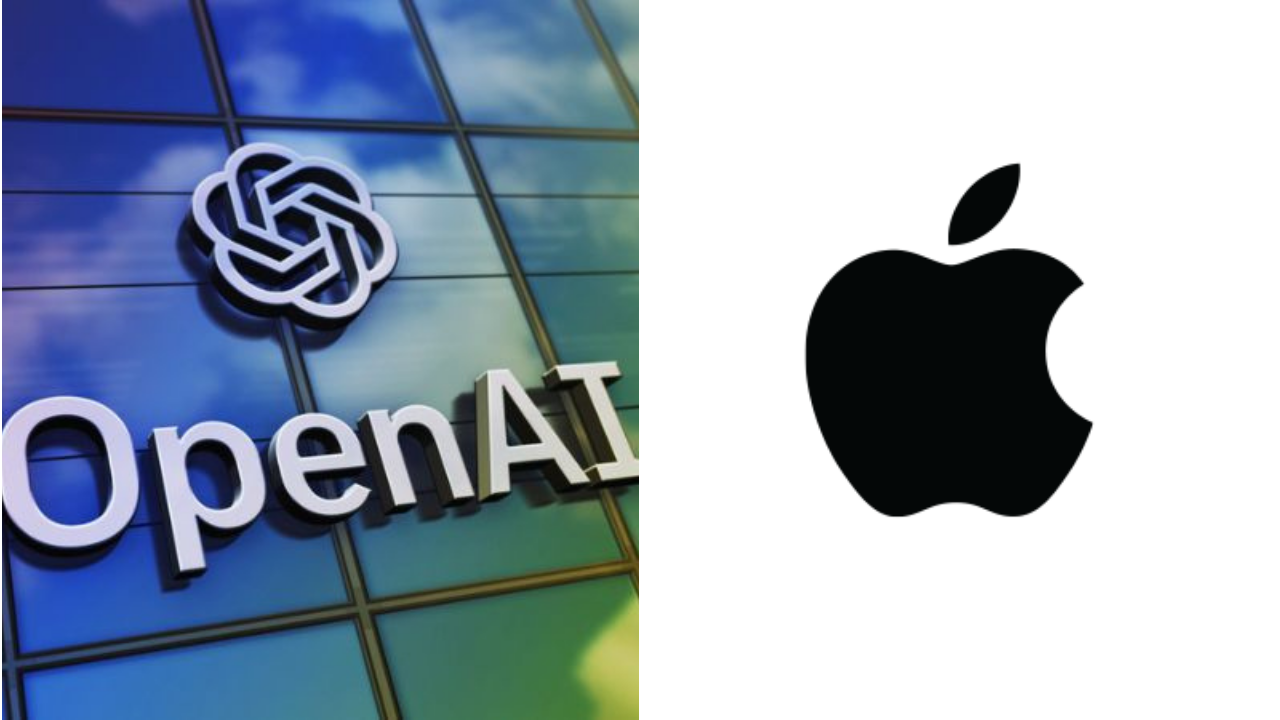
Apple has filed a lawsuit against OpenAI in a California federal court, alleging that the artificial intelligence company benefited from the theft of confidential business information by two former Apple employees who later joined OpenAI.
The complaint, filed in the U.S. District Court for the Northern District of California, accuses OpenAI and former Apple employees Chang Liu and Tang Yew Tan of misappropriating proprietary information related to unreleased products, manufacturing techniques and supply chain operations. Apple claims the alleged misconduct was part of a broader effort to accelerate OpenAI’s entry into consumer hardware.
 Photo Credit: AP Photo/Matthias Schrader
Allegations focus on confidential hardware information
According to the lawsuit, Liu, a former senior system electrical engineer at Apple, failed to return a company-issued laptop after leaving the company. Apple alleges he later exploited a security vulnerability to regain access to Apple’s internal systems and downloaded confidential hardware documents while already employed by OpenAI.
The complaint also names Tang Yew Tan, a former Apple executive who now serves as OpenAI’s chief hardware officer. Apple alleges Tan retained confidential supplier information before his departure and encouraged Apple employees interviewing with OpenAI to bring physical Apple components to meetings, allowing the company to review unreleased hardware during recruitment discussions.
Apple further claims the alleged actions were not isolated incidents but reflected a coordinated effort that benefited OpenAI’s hardware development program. OpenAI had not publicly responded to the allegations at the time the lawsuit became public.
Dispute threatens high-profile partnership
The legal battle marks a dramatic shift in the relationship between the two technology companies.
Apple and OpenAI entered into a high-profile partnership in 2024 that brought ChatGPT capabilities to Apple’s ecosystem as part of its artificial intelligence strategy. Since then, OpenAI has significantly expanded its hardware ambitions, including acquiring io Products, a startup co-founded by former Apple design chief Jony Ive, as it works toward developing AI-focused consumer devices.
Apple argues that the confidential information allegedly taken by its former employees could provide OpenAI with an unfair competitive advantage in designing future hardware products.
Apple says it is protecting innovation
In a statement released alongside the lawsuit, Apple said protecting its intellectual property remains a priority because its teams invest years developing new technologies and products.
The company said it had uncovered substantial evidence indicating that individuals working for OpenAI improperly obtained confidential information relating to unreleased technologies, internal processes and future products. Apple added that it intends to take all appropriate legal steps to defend its innovations and employees’ work.
 Photo Credit: linkedin/tangtan
The lawsuit is expected to move through the federal court system, where Apple will seek legal remedies including damages and measures to prevent any further use of the disputed information.
Beyond the courtroom, the case is likely to draw close attention across the technology industry. As major companies race to develop AI-powered devices, the dispute underscores how valuable proprietary engineering knowledge and supply chain expertise have become in the competition to build the next generation of consumer hardware.