


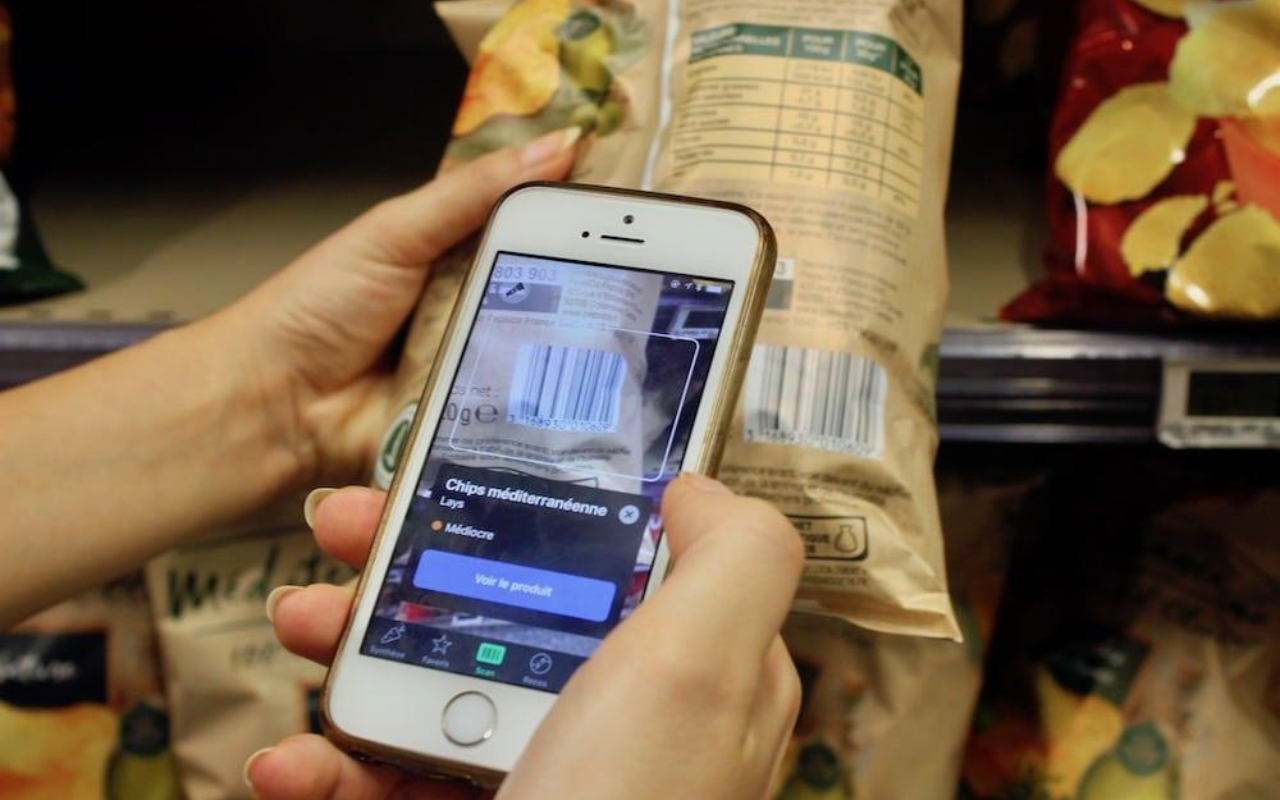
A growing number of consumers are turning to smartphone apps to help them decide what goes into their shopping baskets, using barcode scanners that instantly rate packaged foods based on their nutritional content and ingredients. The trend reflects increasing public interest in understanding what is in everyday foods, but health specialists say the technology has both strengths and limitations.
For shoppers like Nathalie, a mother in western France, the experience can be eye-opening. While browsing the biscuit aisle of her local supermarket, she scanned one of her son’s favourite products using the Yuka app. The result was a red score of 0 out of 100, indicating the product ranked poorly for nutritional quality. The app also highlighted several additives, including E450, and explained that excessive consumption may be linked to health concerns such as kidney and bone-related problems.
How Food-Scanning Apps Work
Apps such as Yuka allow users to scan a product’s barcode and receive an assessment based on nutritional value, additives and, in some cases, the degree of food processing. They often suggest alternative products with stronger nutritional profiles, giving shoppers additional options before making a purchase.
Supporters argue that these tools make complex food labels easier to understand and encourage consumers to compare products more carefully. Instead of reading lengthy ingredient lists, shoppers receive a simplified score that can influence buying decisions within seconds.
Do These Apps Change Consumer Behaviour?
Evidence suggests they can. According to a survey cited by Yuka, many users report changing their purchasing habits after scanning products, with a large majority saying they have put items back on supermarket shelves after receiving poor ratings. While company surveys should be interpreted cautiously, they illustrate the growing influence of digital nutrition tools on everyday shopping.
Experts Urge a Balanced Approach
Nutrition specialists generally welcome efforts to help people make more informed food choices, but they caution against relying entirely on a single app or numerical score.
Health professionals note that no rating system can fully capture the role a food plays within an overall diet. Factors such as portion size, eating habits, age, medical conditions and lifestyle also contribute to long-term health. Some additives approved for use in foods are considered safe within established regulatory limits, even though consumers may prefer to avoid them.
Why the Trend Matters
The popularity of food-scanning apps reflects broader changes in how people approach nutrition. Consumers increasingly expect greater transparency from food manufacturers and are using digital tools to make purchasing decisions that align with their personal health goals.
As these apps continue to gain users, they are likely to remain part of the conversation about healthy eating. For most experts, the key message is that technology can be a useful guide—but it works best when combined with a balanced diet, reliable nutritional advice and an understanding that no single score can define the overall quality of what we eat.