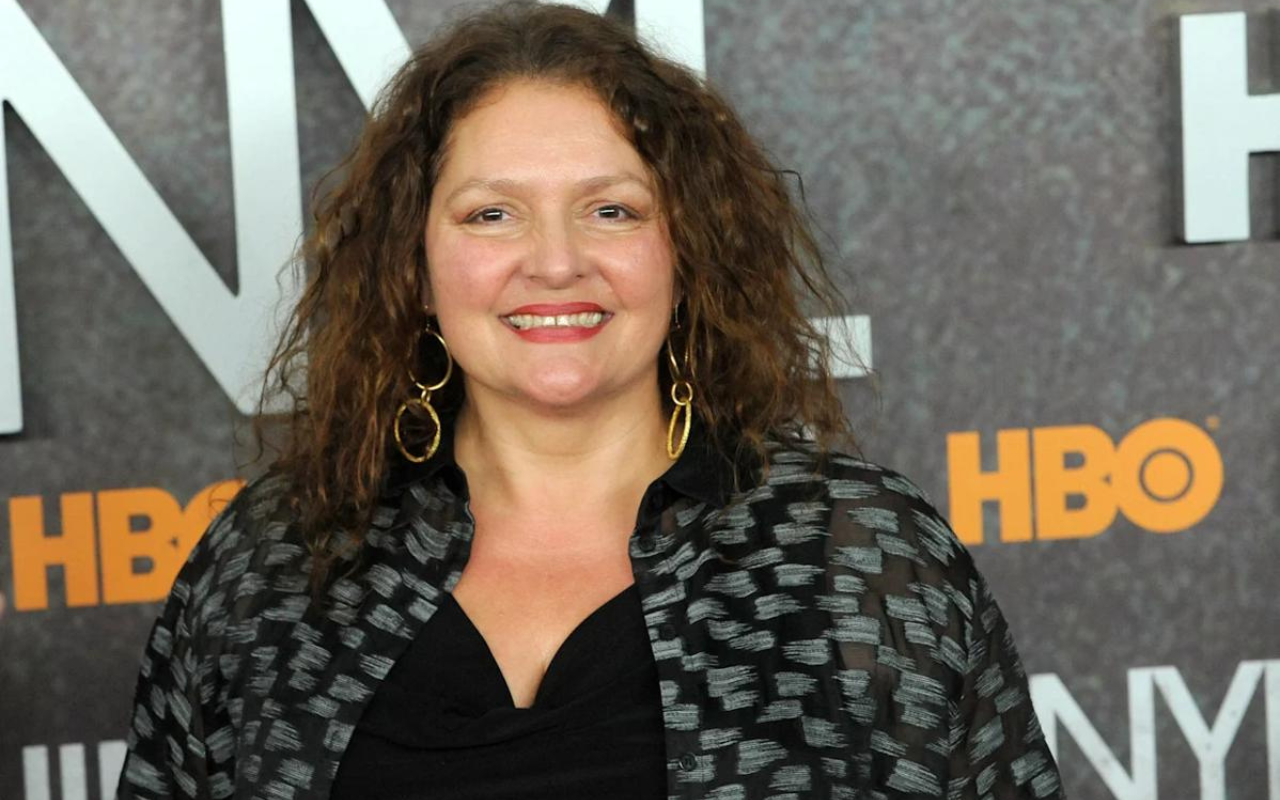



After spending decades at the top of the fashion industry, Stacey Duguid never expected to find herself relying on state benefits and struggling to secure even an interview. Yet that is the reality she says she has been living after her career came to an abrupt halt, despite months of determined job searching.
Duguid, who built a reputation as a fashion editor and writer, recently shared her experience publicly, describing how repeated rejection left her questioning both her future and her confidence. Her account has resonated with thousands of women who say they are facing similar challenges later in their careers.
A Successful Career Followed by Sudden Uncertainty
For much of her professional life, Duguid worked in senior roles across the fashion and publishing industries. Her career included positions with major luxury brands and well-known magazines, where she became an established voice in fashion journalism.
She says the turning point came after a difficult period in her personal life that included health challenges, the breakdown of her marriage and leaving her last full-time role. Once she felt ready to return to work, she believed her extensive experience would help her re-enter the industry.
Instead, she encountered months of silence from employers. According to Duguid, she submitted around 150 job applications over roughly 16 months, ranging from executive positions to entry-level work, but received little or no response.
Financial Pressure Became Impossible to Ignore
The prolonged search eventually had significant financial consequences.
Duguid says she now receives Universal Credit, has downsized her home, sold personal possessions and faced mounting debts while trying to rebuild her career. She described reaching a point where she could not even afford the travel and everyday expenses needed for a low-cost holiday with friends, prompting her to speak openly about her circumstances on social media.
Her post attracted an overwhelming response from women who recognised their own experiences in her story.
Thousands of Women Shared Similar Experiences
After discussing her situation publicly, Duguid says she received thousands of messages from women, many aged between 40 and 65, who reported facing similar difficulties finding work despite years of professional experience.
Many described sending out large numbers of applications without receiving interviews or feedback. Others said they had moved from senior careers to applying for lower-paid jobs, only to experience repeated rejection.
The response convinced Duguid that her situation was not an isolated case but part of a broader employment challenge affecting many experienced workers.
A Wider Debate About Midlife Employment
Her story has drawn attention to concerns around age, recruitment practices and the changing labour market.
Government figures cited alongside Duguid’s account indicate that women aged 50 to 64 experience higher rates of economic inactivity than men in the same age group. Campaigners have also highlighted the impact of menopause, career breaks and evolving recruitment systems on employment opportunities for older women.
Duguid argues that discussions about midlife often focus on career reinvention, but says many people lack the financial security needed to start over after losing established careers.
Looking Ahead
In response to the growing interest in her story, Duguid has launched an initiative called The Encore, designed to connect women navigating unemployment and career transitions while encouraging broader conversations about recruitment and workplace inclusion.
Although her own search for stable employment continues, Duguid’s experience has become part of a wider debate about how experienced professionals are treated in today’s job market. As employers, policymakers and campaigners continue discussing workforce participation among older workers, her story has highlighted the personal and financial impact that long-term unemployment can have on people whose careers once appeared firmly established.