


The U.S. Federal Reserve kept its benchmark interest rate unchanged on Wednesday, extending a pause in policy for the fifth consecutive meeting. The decision leaves the federal funds target range at 3.50% to 3.75%, a move that was widely anticipated by financial markets.
Although borrowing costs remain steady, the central bank signaled that inflation continues to be its primary concern. Officials are also watching developments in the Middle East, where higher energy prices could add fresh pressure to consumer inflation in the months ahead.
Warsh: Inflation Will Not Be Solved Overnight
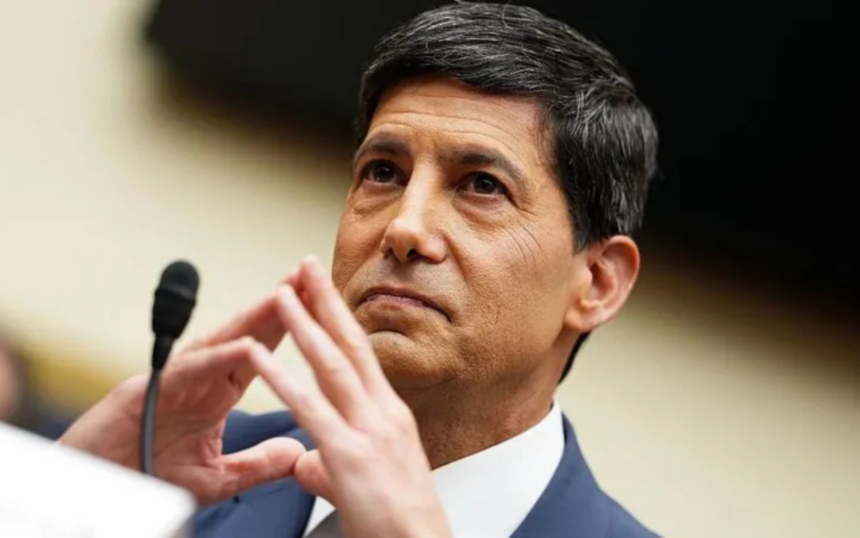
Speaking after the policy announcement, Federal Reserve Chair Kevin Warsh said there is no “magic wand” that can quickly reduce the cost of living for American households.
Warsh reaffirmed the central bank’s commitment to restoring price stability but cautioned that the process will take time. Inflation has remained above the Fed’s long-term target of 2% for more than five years, leaving policymakers focused on preventing another surge in price growth.
His comments reflected the balancing act facing the central bank: bringing inflation under control without placing unnecessary strain on economic growth or employment.
Rare Split Among Policymakers
The decision to hold rates was approved by a 9-3 vote, with three members of the Federal Open Market Committee favoring a quarter-percentage-point increase instead.
Such a level of disagreement is relatively uncommon and highlights differing views within the Fed over whether current policy is restrictive enough to keep inflation moving toward its target.
The dissent also underscores growing debate over how persistent inflation could become if energy prices remain elevated or broader supply disruptions continue.
Inflation Risks Remain in Focus
While inflation has eased from its peak, Federal Reserve officials continue to warn that upside risks remain. Rising oil prices and uncertainty stemming from conflict in the Middle East have added to concerns that progress toward lower inflation could slow.
Higher energy costs can feed through to transportation, manufacturing and household expenses, making it more difficult for the central bank to achieve its inflation objective.
Markets Turn Attention to September
With rates unchanged, investors are now looking ahead to the Fed’s next policy meeting for clues about future action.
Some analysts believe another increase could be considered if inflation remains stubbornly high or economic data shows renewed price pressures. Others expect policymakers to continue waiting for additional evidence before making another move.
For now, the Federal Reserve has opted for patience, maintaining its current policy while signaling that future decisions will continue to depend on incoming economic data and the evolving inflation outlook.