


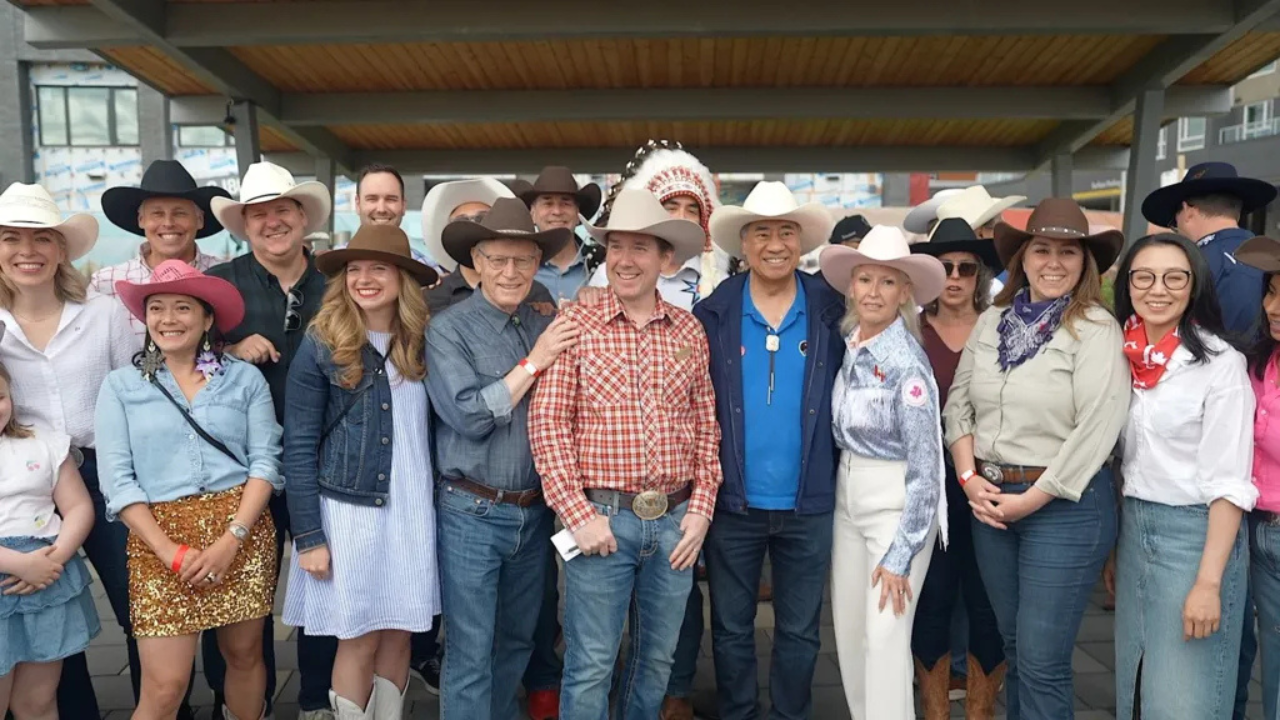
The Calgary Stampede has long been known for rodeo competitions, parades and celebrations of Alberta’s western heritage. This year, though, the annual festival is also serving as the backdrop for one of the province’s most significant political debates in decades.
With Albertans set to vote in October on whether to pursue a future referendum on leaving Canada, politicians, campaign groups and community leaders have turned the province’s biggest public gathering into an early battleground for competing visions of Alberta’s future.
Photo Credit: BBC News/Eloise Alanna
Unity Campaign Seeks to Build Momentum
Supporters of keeping Alberta within Canada are using the Stampede to emphasize national unity and encourage voters not to underestimate the significance of the upcoming vote.
Federal Liberal MP Corey Hogan organized events bringing together colleagues from across the country, arguing that discussions about separation are influencing nearly every political conversation in Alberta. Prime Minister Mark Carney was also expected to appear in Calgary during the Stampede period to reinforce his government’s message in support of Canadian unity.
Although opinion polls suggest most Albertans continue to favour remaining in Canada, many advocates for unity say they remain cautious. Some have pointed to the United Kingdom’s Brexit referendum as an example of how public sentiment can shift unexpectedly during a campaign.
Former Alberta cabinet minister Thomas Lukaszuk, who leads the pro-unity organization Forever Canadian, has launched a province-wide campaign promoting the benefits of remaining part of Canada. Travelling across Alberta in a vehicle known as the “Unity Bus,” he argues that separation would create significant political, economic and social uncertainty.
Separatists Say Alberta Has Been Ignored
Those advocating greater independence contend that Alberta has been treated unfairly by successive federal governments, particularly on issues involving energy development, taxation and provincial autonomy.
Many supporters argue that Ottawa has failed to adequately represent Alberta’s interests, especially as Canada’s largest oil-producing province has faced repeated challenges expanding pipeline infrastructure and exporting its energy resources.
Some independence campaigners also point to events surrounding the Freedom Convoy protests as a turning point that deepened their dissatisfaction with the federal government. They believe Alberta should have greater control over its own political and economic future.
Indigenous Leaders Raise Treaty Concerns
First Nations leaders have emerged as some of the strongest voices opposing Alberta independence.
Several Indigenous communities argue that their historic treaties are agreements with the Crown and Canada, raising questions about how those rights would be protected if Alberta were ever to separate.
Legal action launched by First Nations groups has already affected the timeline for a binding separation referendum, with courts determining that treaty issues require further consideration before such a vote could proceed. The case remains under appeal.
Premier Danielle Smith Balances Competing Pressures
Premier Danielle Smith has maintained that she personally supports Alberta remaining within Canada while defending the public’s right to vote on the issue.
Her government says the October vote is intended to measure public opinion on whether Albertans wish to continue exploring constitutional changes and the possibility of a future binding referendum. Smith has argued that giving voters a direct say is preferable to allowing frustration over federal-provincial relations to grow without public input.
Why the Debate Matters
The discussion extends well beyond provincial politics.

Photo Credit: Reuters
A separation movement in Alberta would raise complex constitutional, economic and legal questions involving Indigenous treaty rights, federal institutions, energy markets and Canada’s national unity. Even if support for independence remains a minority position, the campaign is expected to dominate political debate in Alberta over the coming months.
For many residents, the issue has already become deeply personal, with campaigners on both sides describing increasing political divisions within communities across the province.
As the Calgary Stampede concludes and attention shifts toward the autumn campaign, both supporters and opponents of separation are preparing for months of intense political organizing.
The October vote is expected to shape Alberta’s relationship with Ottawa regardless of the outcome. While current polling indicates most voters favour remaining in Canada, campaigners on both sides acknowledge that the referendum debate is likely to influence provincial politics long after ballots are cast.