


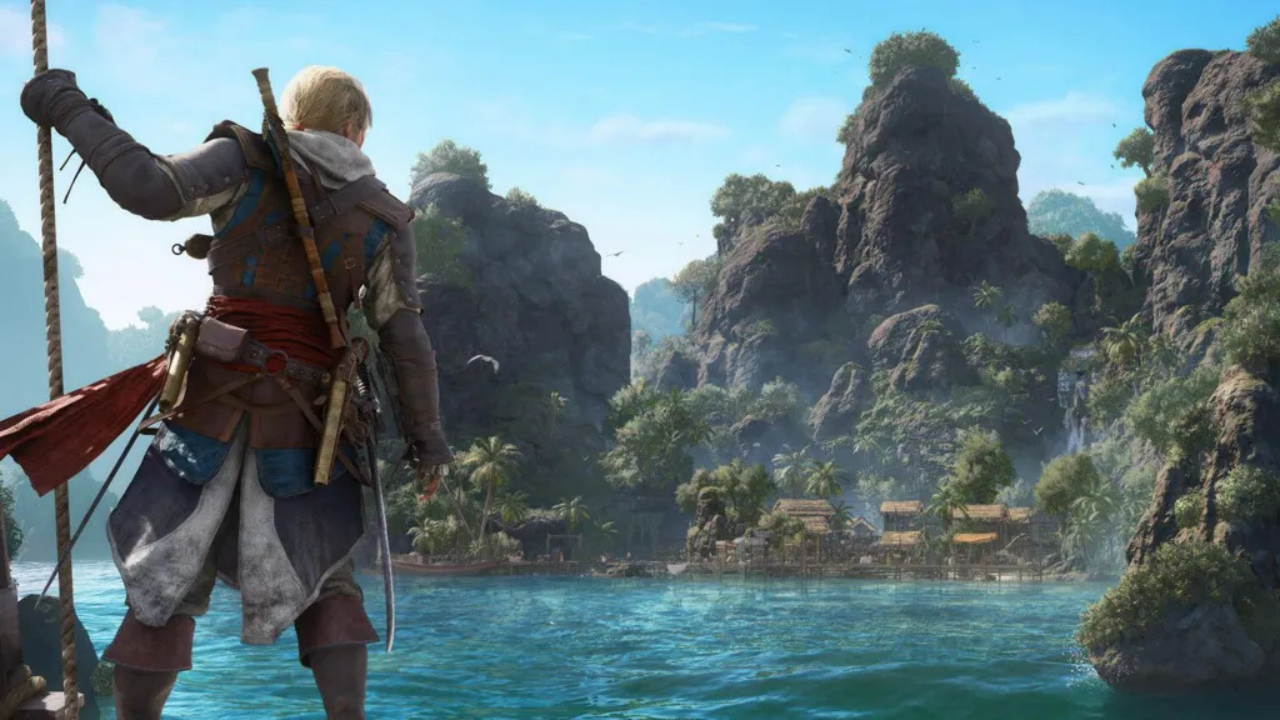
Few games in Ubisoft’s long-running Assassin’s Creed franchise have earned the lasting reputation of Assassin’s Creed IV: Black Flag. First released in 2013, the pirate adventure became a fan favorite thanks to its Caribbean setting, memorable characters, and satisfying mix of naval exploration and open-world freedom. More than a decade later, Ubisoft has revisited that success with Assassin’s Creed Black Flag Resynced, a full remake built for modern hardware.
Rather than simply increasing the resolution or frame rate, Ubisoft has rebuilt the experience using the latest version of its Anvil engine, adding new visual technology, updated mechanics, and several quality-of-life improvements while preserving the original story centered on pirate-turned-Assassin Edward Kenway.

Photo Credit: Ubisoft
A Caribbean That Finally Looks as Vibrant as It Feels
The most immediate change is visual. Tropical islands, bustling colonial ports, coral reefs and open seas benefit from significantly improved lighting, richer colors and more detailed environments. Dynamic weather and upgraded water effects make sailing across the Caribbean more immersive than ever, helping the world feel alive in ways that weren’t possible on 2013 hardware.
Underwater exploration also receives additional attention, with improved environmental detail encouraging players to spend more time diving beneath the surface instead of rushing back to the Jackdaw. The brighter presentation is a noticeable departure from the darker visual style common during the early 2010s, giving the remake a fresher and more inviting atmosphere.
Familiar Adventure with Modern Refinements
At its heart, Black Flag Resynced remains the same pirate adventure that made the original so popular. Players still command the Jackdaw, hunt treasure, board enemy ships and explore islands scattered across the Caribbean while following Edward Kenway’s journey through the conflict between the Assassins and Templars.
Ubisoft has modernized several gameplay systems without fundamentally changing the structure. Combat now incorporates mechanics introduced in more recent Assassin’s Creed games, including improved dodging and parrying, while stealth benefits from manual crouching and updated infiltration options. Mission design has also been revised in places, making some previously frustrating objectives less restrictive.
Not Every Change Will Please Long-Time Fans
Modernization comes with compromises. Some long-time players may miss mechanics from the original, including the ability to freely use the Hidden Blade during open combat. Critics have also pointed to reduced weapon variety and simplified combat systems that remove some of the freedom the original game offered during encounters.
The remake also streamlines or removes certain narrative elements outside Edward’s main story, including the original present-day Abstergo office sequences. While many players considered those sections a distraction from the pirate adventure, others appreciated how they expanded the broader Assassin’s Creed universe.
Some players may also find the game’s guidance system overly eager to help, with puzzles and objectives occasionally explained before they have much opportunity to experiment independently.
Why Black Flag Still Stands Out
Even after thirteen years, the core appeal remains remarkably strong. Sailing across an open sea in search of treasure, engaging in naval battles, recruiting crew members and discovering hidden islands continues to distinguish Black Flag from many other entries in the franchise.
Edward Kenway remains one of Ubisoft’s most popular protagonists, and the supporting cast—including historical pirates such as Anne Bonny, Blackbeard and Stede Bonnet—continues to provide much of the game’s personality. The remake’s updated presentation simply gives those characters a more convincing stage on which to perform.
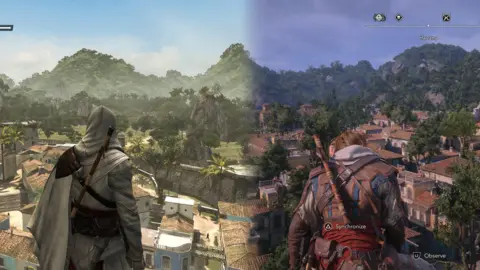
Photo Credit: Ubisoft
A Significant Release for Ubisoft
The launch carries added importance for Ubisoft itself. The publisher has faced a challenging period marked by restructuring, studio closures, project cancellations and delayed releases. Successfully reviving one of its most beloved games could help restore momentum while demonstrating continued interest in classic entries from the franchise.
The broader gaming industry has increasingly embraced remakes as development costs for new blockbuster titles continue to rise. Revisiting established successes offers publishers an opportunity to satisfy longtime fans while introducing acclaimed games to players who missed them the first time around.
Verdict
Assassin’s Creed Black Flag Resynced succeeds because it understands what made the original memorable instead of trying to reinvent it completely. Its rebuilt visuals, smoother movement and modern gameplay systems make the Caribbean adventure more accessible to today’s players while largely preserving the spirit that earned the 2013 release its devoted following.
It is not a flawless remake. Some streamlined mechanics and omitted features may disappoint returning fans, and a few design choices still reveal the game’s decade-old foundations. Even so, the combination of improved presentation, refined gameplay and one of the franchise’s strongest settings makes this return to the Golden Age of Piracy an easy recommendation for newcomers and a rewarding voyage for veterans ready to hoist the sails once again.