


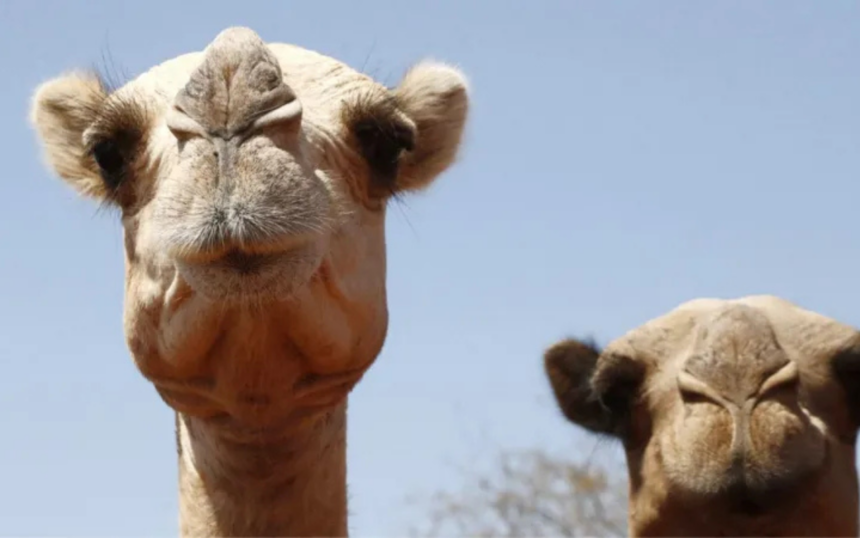
For generations, camels have been considered one of the toughest animals on Earth, capable of surviving scorching deserts where other livestock cannot. Across large parts of Africa, they have become an essential lifeline for pastoral communities facing increasingly dry conditions.
Now, even these famously resilient animals are showing signs that climate change is pushing them beyond their limits.
From Ethiopia’s Afar region to the deserts of North Africa, livestock owners, veterinarians and scientists report that prolonged heatwaves and worsening drought are placing unprecedented pressure on camel populations, threatening both animal welfare and the livelihoods of millions of people who depend on them.
Heat Takes a Growing Toll
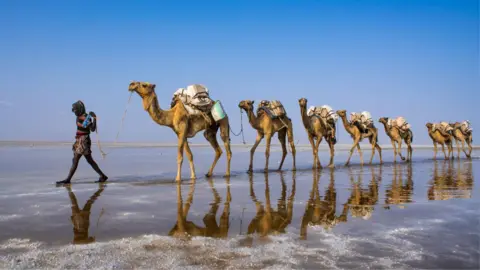 Photo Credit:Corbis via Getty Images
In Ethiopia’s Afar region—one of the world’s hottest inhabited places—camel herders say conditions have changed dramatically in recent years.
Ali Umer, a herder from Semera, described seeing animals develop painful foot blisters, eye irritation and skin damage from the intensely hot ground. He also reported losing several young camels during a recent period of extreme heat, illustrating the growing challenges faced by pastoral communities.
Scientists say such observations are consistent with broader research showing that rising temperatures increase heat stress, dehydration, fatigue and vulnerability to disease among camels.
Climate Change Is Undermining a Key Survival Strategy
The Horn of Africa and North Africa together are home to roughly 80% of the world’s dromedary camels. Over recent decades, many farmers shifted from cattle to camels because the animals are better suited to drought and harsh desert environments.
But recent studies indicate that climate change is now affecting camel health, reproduction and milk production. Research conducted in southern Ethiopia found herders reporting declining herd productivity linked to higher temperatures and increasingly unpredictable weather patterns. Another large study in Somalia found severe drought-related camel losses affecting many pastoral households, with some northern regions experiencing exceptionally high mortality rates.
Why Even Camels Are Reaching Their Limits
Camels possess remarkable biological adaptations that allow them to withstand extreme desert conditions. They can tolerate significant fluctuations in body temperature, conserve water efficiently and rely on thick coats to shield themselves from intense solar radiation.
Experts caution that these natural advantages have limits.
When temperatures remain above their normal comfort range for extended periods—especially where shade, vegetation and water become scarce—camels begin experiencing dangerous heat stress. That can weaken immune systems, reduce food intake, lower milk production and interfere with reproduction, according to specialists studying camel physiology in North Africa.
Rising Heat Brings Wider Challenges
Veterinarians working in parts of Kenya say they are treating increasing numbers of camels suffering from heat-related illnesses and infections. Researchers have also linked climate-related stress to declining milk yields and greater disease risks across the Horn of Africa.
Evidence from Algeria similarly points to increased camel deaths during intense summer heatwaves, with researchers recommending improved access to water, feed and veterinary care during high-risk periods.
The broader climate trend is equally concerning. According to the World Meteorological Organization, North Africa has experienced one of the fastest warming rates on the continent, while temperatures exceeding 50°C have become increasingly common during recent summers.
Communities Are Being Forced to Adapt
As traditional grazing areas become less viable, some Ethiopian herders have begun permanently relocating their camel herds to regions with better access to pasture and water rather than following their usual seasonal migration routes.
The shift reflects a broader transformation taking place across parts of the Horn of Africa, where repeated droughts and rising temperatures are reshaping pastoral livelihoods. Aid organizations have warned that another period of severe dry conditions is emerging after the region only recently began recovering from its prolonged 2020–2023 drought.
What It Means Going Forward
Camels have long represented one of the strongest natural defenses against life in some of the world’s harshest environments. Their growing vulnerability highlights how rising temperatures are affecting even species considered exceptionally adapted to desert climates.
For the millions of people across Africa who rely on camels for transport, milk, meat and income, protecting these animals through improved water access, veterinary services and climate adaptation measures is becoming increasingly important as extreme heat becomes more frequent.