

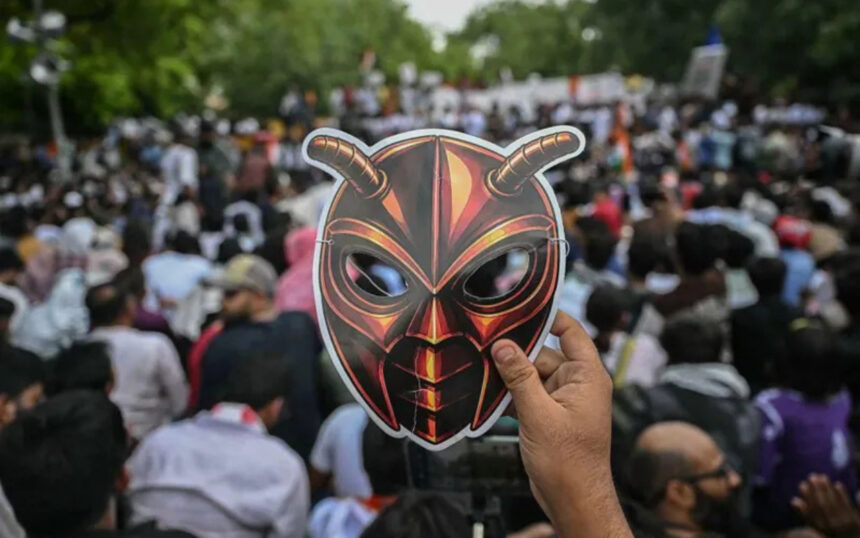
Thousands of students and young people across India have taken to the streets in a rapidly expanding protest movement that began with frustration over alleged irregularities in major public examinations and has since evolved into a broader call for accountability in the country’s education system.
The demonstrations, led by the youth-driven Cockroach Janta Party (CJP), have become one of India’s most significant student movements in years. Protesters argue that repeated examination paper leaks have undermined confidence in competitive tests that play a crucial role in university admissions and government recruitment.
Marches Draw Massive Crowds
The movement intensified earlier this week when tens of thousands of demonstrators attempted to march toward India’s Parliament in New Delhi. Authorities responded with crowd-control measures, including tear gas and baton charges, as police sought to stop the march. The crackdown prompted fresh demonstrations and expanded public attention to the campaign.
Protests have since continued in several cities, with students maintaining pressure on the government to address what they describe as systemic failures in the conduct of public examinations.
Core Demands Focus on Education Reforms
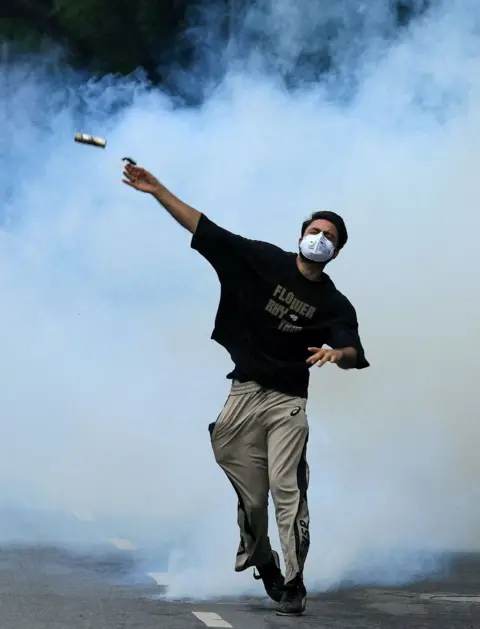 Photo Credit:Reuters
At the centre of the movement is a demand for sweeping reforms aimed at restoring trust in India’s examination system. Protesters are also calling for the resignation of Union Education Minister Dharmendra Pradhan, arguing that stronger political accountability is needed following repeated allegations of paper leaks.
While the protests began around examination issues, they have increasingly attracted young people frustrated by broader concerns about employment opportunities, institutional accountability and the future facing India’s large youth population.
Government Announces Measures
Facing mounting pressure, Prime Minister Narendra Modi has announced plans to establish fast-track courts to deal with cases involving examination paper leaks and has pledged tougher action against officials found responsible. Protest leaders, however, say those commitments do not fully address long-standing concerns, pointing to numerous alleged exam leak cases over the past decade and demanding more comprehensive reforms.
The government has so far resisted calls to remove the education minister, even as opposition politicians have publicly backed many of the protesters’ demands.
Movement Extends Beyond Campuses
What began as an online campaign has developed into a nationwide movement drawing students, young professionals and civil society supporters. Images from the protests have spread widely across social media, helping sustain demonstrations and increasing national attention on the issue.
Observers say the protests represent one of the largest youth-led challenges to Prime Minister Modi’s government in recent years, highlighting growing concerns among young Indians about fairness, opportunity and confidence in public institutions.
What Comes Next
With demonstrations continuing and organisers insisting they will maintain pressure until key demands are addressed, attention is now focused on whether the government’s proposed measures will satisfy protesters or whether the movement will continue to expand.
For many participants, the issue extends beyond a single examination. They argue that restoring trust in India’s competitive testing system is essential for millions of students whose education and career prospects depend on fair and transparent examinations.
I can also produce this story in a 1,000–1,200 word premium feature with richer background, timeline, and SEO optimization suitable for Google Discover and MSN.