


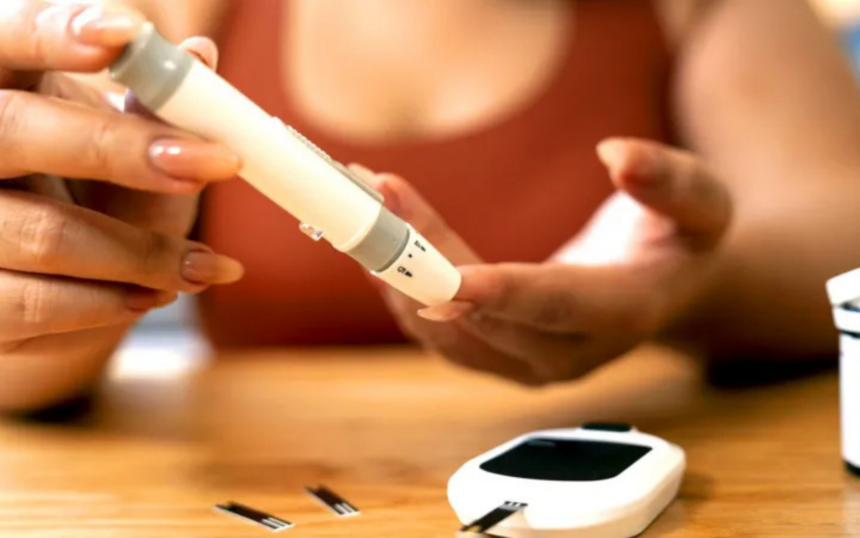
Health researchers have reported a concerning rise in type 2 diabetes among women in their 20s in England, highlighting what they describe as a significant shift in the disease’s age profile.
The findings, based on an analysis of NHS data covering the years 2011 to 2024, indicate that diagnoses among younger adults have increased while rates among many older age groups have declined. Scientists behind the study believe the trend is closely linked to higher levels of obesity, particularly in the years following the Covid-19 pandemic.
Younger Adults Facing Greater Health Risks
Although type 2 diabetes has traditionally been associated with middle-aged and older adults, experts warn that developing the condition earlier in life often leads to more severe health consequences.
People diagnosed at a younger age are more likely to live with the disease for longer, increasing their chances of developing serious complications such as heart disease, stroke, kidney damage and vision loss. Health specialists say early detection and timely treatment are essential to reducing those long-term risks.
Obesity Identified as a Major Factor
Researchers found that rising obesity among younger adults appears to be the strongest factor behind the increase in new cases. The study observed a growing proportion of younger patients entering treatment with higher body mass indexes, suggesting excess weight is playing an increasingly important role in driving the disease.
The research also revealed that the increase has been especially pronounced among women aged 20 to 29. According to the analysis, diagnoses in this age group rose substantially over the study period, outpacing the increase seen among men of the same age.
Why Early Diagnosis Matters
Type 2 diabetes develops when the body cannot effectively use insulin or does not produce enough of it, causing blood sugar levels to remain too high. Left untreated, the condition can damage blood vessels and vital organs over time.
Health charities stress that identifying people at risk before complications develop can significantly improve outcomes. In some cases, adopting healthier eating habits, losing excess weight and increasing physical activity can place type 2 diabetes into remission without long-term reliance on glucose-lowering medication.
Researchers also noted that newer obesity treatments, including GLP-1 medicines, could play an important role alongside lifestyle support in helping people manage their weight and reduce diabetes risk.
A Changing Pattern of Disease
Around 90% of the UK’s estimated six million people living with diabetes have type 2 diabetes, making it by far the most common form of the condition. While older adults continue to account for the largest share of new diagnoses overall, the latest findings suggest the disease is increasingly affecting younger generations, particularly women.
Researchers say the changing pattern highlights the need for prevention strategies that focus on younger adults, including earlier screening for those at higher risk and improved access to weight-management support.
What Comes Next
The study adds to growing evidence that obesity is reshaping the profile of type 2 diabetes in England. Health experts believe reversing the trend will require a combination of earlier intervention, wider access to effective obesity treatments where appropriate, and sustained public health efforts promoting healthy diets and physical activity.
They hope the findings will encourage healthcare providers to identify at-risk patients sooner, helping to reduce the burden of complications and improve long-term health outcomes.