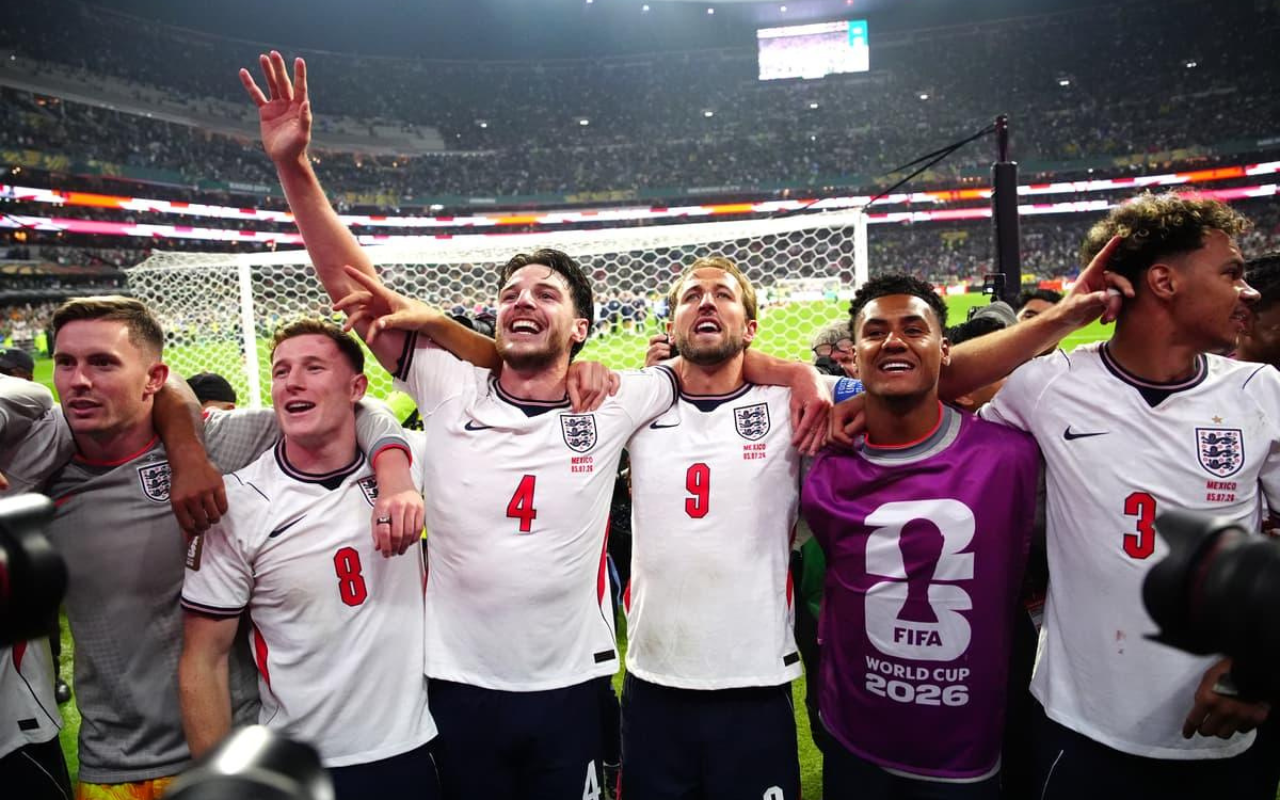



Only four teams remain in the race to become 2026 FIFA World Cup champions, and the statistics behind their journeys suggest there is no single blueprint for success.
Argentina, England, France and Spain have all reached the semi-finals through contrasting approaches. Some have relied on relentless attacking pressure, others on defensive discipline, while efficiency in front of goal has often proved just as valuable as dominating possession.
Because Argentina have played more extra-time football than France and Spain—and England have also logged additional minutes—comparing performances on a per-90-minute basis offers a clearer picture of how each side has performed throughout the tournament.
France Have Created the Strongest Attack
Although Argentina lead the remaining teams in total goals scored with 17, France have produced the tournament’s most consistent attacking numbers when adjusted for playing time.
The French have averaged the most goals per 90 minutes, generated the joint-highest number of shots and recorded the strongest expected goals (xG) figures among the four semi-finalists. Those numbers underline how frequently Didier Deschamps’ side create high-quality scoring opportunities.
Spain have generated a similar volume of shots but have converted far fewer of them. Despite matching France’s shot total, the European champions have scored significantly fewer goals, highlighting a lack of finishing efficiency rather than chance creation.
England, by comparison, have created fewer opportunities than the other three teams but have made their chances count. Clinical finishing from players including Jude Bellingham and Harry Kane has helped Thomas Tuchel’s side maintain an impressive scoring rate despite producing fewer attacking chances overall.
Argentina’s Efficiency Stands Out
The defending champions have been the tournament’s most clinical side.
Argentina have converted roughly 18 percent of their chances, the best conversion rate among the final four, allowing Lionel Scaloni’s team to maximize opportunities even without dominating every statistical category.
That efficiency has helped compensate for matches that have stretched into extra time and reflects the composure of a squad comfortable in high-pressure situations.
Spain Have Set the Defensive Standard
If France have impressed in attack, Spain have built their campaign around defensive control.
Luis de la Fuente’s team conceded their first goal of the tournament only in the quarter-finals against Belgium, making them statistically the strongest defensive unit among the remaining nations.
France have also been difficult to break down, allowing only two goals in six matches, setting up a compelling semi-final between one of the tournament’s most productive attacks and its most resilient defence.
England and Argentina have experienced more defensive vulnerability. Both teams have conceded six goals, with England allowing the highest number of chances while Argentina have recorded the lowest success rate at preventing opposition opportunities from becoming goals.
Possession Tells Only Part of the Story
Spain have dominated possession throughout the tournament, averaging around 66 percent of the ball—the highest figure of any team at this World Cup.
Their passing accuracy has also ranked among the competition’s best, level with Argentina at more than 90 percent, demonstrating the control both sides enjoy during extended periods of possession.
While Spain prefer to dictate games through patient build-up, Argentina have looked to unlock opponents with incisive passing. Lionel Messi has completed more through balls than any player at the tournament, highlighting his continued influence as the team’s creative leader.
England’s Strength in the Air Could Be Crucial
England’s attacking profile differs from the other three semi-finalists.
Rather than relying primarily on possession or intricate passing combinations, Tuchel’s team have become one of the tournament’s most effective crossing sides. Around one in every four open-play crosses has successfully found a teammate.
That approach has translated into results. England have recorded the highest number of headed attempts and are among the tournament leaders for headed goals.
Those strengths could become especially important against Argentina, whose aerial duel success rate is the weakest among the remaining teams.
Work Rate Reveals Another Contrast
Raw distance covered suggests Argentina have run farther than anyone else, but those numbers reflect their additional playing time.
When measured per 90 minutes, Argentina have actually covered the least ground, produced the fewest sprints and pressed opponents less aggressively than England, France or Spain.
Spain sit at the opposite end of those rankings, leading the remaining teams in running distance, sprint intensity and high pressing. Their energetic style has complemented their possession-based approach, allowing them to recover the ball quickly after losing it.
Semi-Finals Promise a Fascinating Tactical Battle
The statistics underline just how evenly matched the final four have become.
France arrive with perhaps the tournament’s most complete attacking profile, while Spain have built their success on defensive organisation and ball control. England possess one of the competition’s strongest aerial threats, and Argentina continue to demonstrate why efficiency and experience can be just as valuable as overwhelming opponents statistically.
With four teams bringing distinctly different strengths into the semi-finals, the numbers suggest there is more than one path to reaching the World Cup final. Which approach ultimately prevails will now be decided on the pitch.