

Introduction
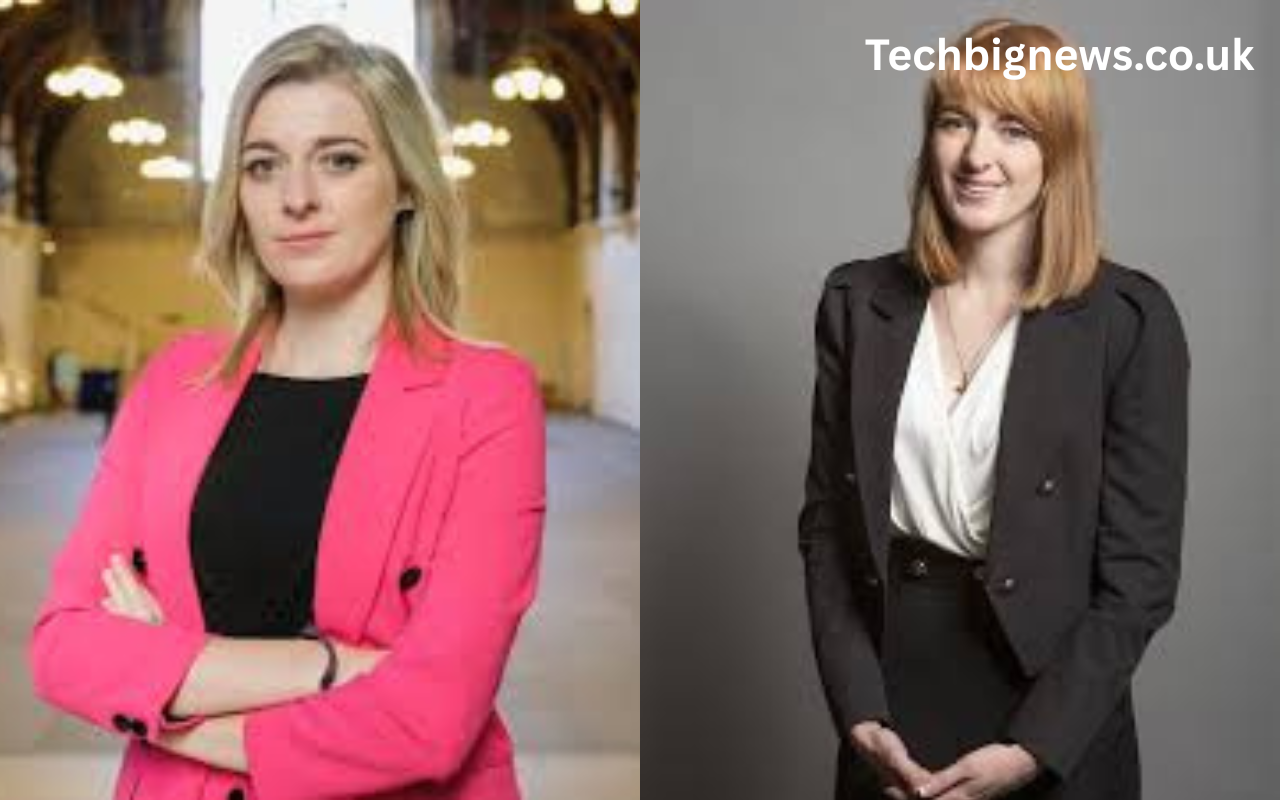
In modern British politics, very few figures have experienced a rise as dramatic and emotionally powerful as Dehenna Davison. Her journey is not simply the story of a young woman entering Parliament; it is the story of resilience born from personal tragedy, ambition shaped by hardship, and determination strengthened through public scrutiny. From growing up on a council estate in Sheffield to becoming one of the most recognized young Conservative politicians in the United Kingdom, Davison’s life has inspired conversations far beyond politics itself.
What makes her story especially compelling is the heartbreaking event that changed her life forever. At just 13 years old, she lost her father after a fatal one-punch assault, a traumatic experience that deeply affected her outlook on justice, society, and public service. Instead of allowing grief to destroy her future, she turned pain into purpose. Over time, that purpose evolved into political activism, campaigning, and eventually a successful career inside Westminster.
Today, Dehenna Davison is known not only as a former Member of Parliament and government minister, but also as a media personality, mental health advocate, and campaigner for violence awareness. Her willingness to speak honestly about depression, trauma, identity, and chronic illness has made her stand out in an era where voters increasingly value authenticity and openness from public figures.
Quick Facts About Dehenna Davison
| Full Name | Dehenna Sheridan Davison |
|---|---|
| Date of Birth | 27 July 1993 |
| Age | 32 years old (2026) |
| Birthplace | Sheffield, South Yorkshire, England |
| Nationality | British |
| Profession | Politician, Broadcaster, Campaigner |
| Political Party | Conservative Party |
| Education | University of Hull |
| Degree | British Politics and Legislative Studies |
| Father | Dominic Davison |
| Mother | Nicola Davison |
| Relationship Status | In a relationship |
| Sexual Orientation | Bisexual |
| Famous For | Former MP for Bishop Auckland |
| Former Ministerial Role | Parliamentary Under-Secretary of State |
| Estimated Net Worth | $1 million–$2 million |
| @dehennadavison | |
| Dehenna Davison | |
| Dehenna Davison |
Early Life and Childhood
Dehenna Davison was born in Sheffield, South Yorkshire, and spent much of her childhood growing up on a council estate. Her upbringing was far from privileged, and her family lived a relatively ordinary working-class life. Her father worked as a stonemason while her mother worked as a nursery nurse. Despite financial limitations, her parents encouraged education, discipline, and ambition from an early age.
Her life changed forever when she was only 13 years old. Her father, Dominic Davison, was killed after being punched during an incident in a pub. The tragedy devastated the family emotionally and financially. Dehenna later explained that watching the legal system operate during the investigation and trial sparked her interest in politics and justice. That traumatic experience became one of the defining influences of her future career.
The emotional impact of losing a parent at such a young age forced her to grow up quickly. While many teenagers struggle with identity and direction, Davison was dealing with grief, court proceedings, and emotional trauma. Yet those painful years also built the resilience she would later become famous for. Her experiences taught her how quickly life can change and how important strong institutions and public policy can be in supporting ordinary families.
Education and Academic Development
Despite the hardships she faced, Dehenna Davison remained focused on education. She attended Sheffield High School through a scholarship funded by HSBC, giving her access to opportunities she may not otherwise have experienced. The scholarship represented an important turning point because it exposed her to a more competitive academic environment and encouraged her ambitions beyond her local community.
After completing school, she enrolled at the University of Hull, where she studied British Politics and Legislative Studies. University became an important phase in both her academic and personal development. She developed strong opinions on national issues and became actively involved in political debate. During this period, she also worked as a parliamentary aide for Jacob Rees-Mogg, gaining firsthand experience inside British politics.
Like many students from modest backgrounds, Davison also worked several ordinary jobs while studying. She reportedly worked in a casino, betting shop, Pizza Hut, and video game retailer before entering mainstream politics. These experiences helped shape her understanding of working-class life and later became an important part of her political identity. She often referenced her background to show that politics should remain connected to everyday people rather than elite institutions.
Entering the World of Politics
Dehenna Davison’s political journey did not begin with instant success. Like many future politicians, she experienced early defeats and difficult campaigns before finally achieving national recognition. During her university years, she became increasingly active within the Conservative Party and participated in local political campaigns to gain practical experience.
Her first electoral campaigns ended unsuccessfully. She contested local council elections in Hull and later stood as a parliamentary candidate in Kingston upon Hull North during the 2015 General Election. Although she lost, these campaigns helped her develop communication skills, confidence, and political resilience. Rather than becoming discouraged, she treated every defeat as an opportunity to learn and improve.
In 2017, she contested the Sedgefield constituency, once famously represented by former Prime Minister Tony Blair. Although she again failed to win, political observers began noticing her communication style and strong campaign energy. These early years proved crucial because they transformed her from an unknown activist into an emerging Conservative figure with growing recognition inside the party.
The Historic Bishop Auckland Victory
The defining breakthrough in Dehenna Davison’s political career came during the 2019 United Kingdom General Election. She stood as the Conservative candidate for Bishop Auckland, a constituency that had been considered a Labour stronghold for generations. Many political analysts initially believed it would be difficult for the Conservatives to secure victory there.
Against expectations, Davison won the seat and became the first Conservative MP to represent Bishop Auckland in well over a century. Her victory symbolized the dramatic political shift happening across northern England during the Brexit period. Many traditional Labour voters supported Conservative candidates in what became known as the “Red Wall” political transformation.
Her success immediately brought national attention. Media outlets described her as one of the rising stars of the Conservative Party. She represented a new generation of politicians — younger, media-savvy, outspoken, and deeply connected to working-class northern communities. Her victory also demonstrated how political identity in Britain was evolving beyond traditional class loyalties.
Career in Parliament and Government
After entering Parliament, Dehenna Davison quickly became known for her confident speaking style and strong media presence. She participated in debates on economic policy, regional investment, and social issues affecting northern England. Many Conservative supporters viewed her as an important voice capable of connecting with younger voters and communities that historically felt ignored by Westminster politics.
In September 2022, she was appointed Parliamentary Under-Secretary of State for Levelling Up, Housing and Communities under Prime Minister Liz Truss. The role represented a major promotion and confirmed her growing influence within the government. She retained the position after Rishi Sunak became Prime Minister, showing that senior party leadership considered her an important political figure.
Her ministerial responsibilities focused on local development, housing, and community investment. She strongly supported regional economic growth and often emphasized the importance of improving opportunities outside London. During her parliamentary career, she also gained recognition for her ability to communicate complex issues in a direct and relatable way, which helped expand her popularity beyond traditional political audiences.
Advocacy for One-Punch Assault Awareness
One of the causes closest to Dehenna Davison’s heart has been awareness around one-punch assaults. Inspired by the death of her father, she established the All-Party Parliamentary Group for One-Punch Assaults in 2021. The initiative aimed to educate the public about the devastating consequences of violent assaults that may appear minor but can easily become fatal.
Davison has frequently spoken emotionally about the trauma her family experienced after her father’s death. In interviews, she explained how even years later the psychological effects remained with her. She described how anxiety and fear continued to affect her whenever loved ones were late returning home. Her openness about trauma helped many people relate to her on a deeply human level.
Her advocacy work extended beyond politics into schools, awareness campaigns, and media discussions. She consistently emphasized the message that “one punch can kill” and encouraged young people to avoid violent confrontations. By turning personal tragedy into national awareness work, she helped bring attention to an issue often overlooked in public debate.
Media Presence and Public Personality
Unlike many politicians who remain focused only on parliamentary work, Dehenna Davison built a strong public profile through media appearances and broadcasting. She co-hosted political programs on GB News, where she discussed national issues, culture, and current affairs. Her broadcasting work allowed her to connect with audiences who may not normally follow traditional political coverage.
Her communication style is often described as direct, energetic, and conversational. Rather than relying heavily on formal political language, she tends to speak in a more relatable and accessible way. This communication approach helped her gain attention among younger audiences and social media users who appreciated authenticity over scripted political messaging.
Social media also became a major part of her public identity. On platforms like Instagram and Facebook, Davison shares a mix of political commentary, lifestyle content, fitness updates, and personal reflections. Her online presence feels more personal than traditional politicians, helping her maintain strong audience engagement.
Personal Life and Relationships
Dehenna Davison’s personal life has often attracted media attention because of her openness and honesty. In 2018, she married Hull councillor John Fareham, and their relationship later appeared in the television documentary Bride and Prejudice. The show explored unconventional relationships and public reactions to them.
Although the marriage eventually ended, Davison continued speaking publicly about personal growth and emotional wellbeing. In 2021, she publicly came out as bisexual, becoming the first openly bisexual female Conservative MP in British political history. Her announcement was widely discussed in national media and seen as an important moment for LGBTQ+ representation inside the Conservative Party.
She has also spoken openly about mental health struggles, including depression and suicidal thoughts experienced during earlier periods of her life. Her willingness to discuss these issues publicly earned praise from mental health advocates and supporters who appreciated her honesty. In an era where many public figures carefully protect their image, Davison’s openness has become one of her defining characteristics.
Health Challenges and Stepping Away From Politics
Despite her growing political success, Dehenna Davison eventually faced serious health challenges. She revealed that chronic migraines were severely affecting her quality of life and ability to continue intense parliamentary work. The condition became increasingly difficult to manage alongside the pressures of politics and public life.
In 2023, she announced her decision not to seek re-election and later resigned from her ministerial role due to health concerns. Her announcement surprised many political observers because she was still considered one of the Conservative Party’s rising stars. However, Davison explained that she wanted to focus on her wellbeing and create a healthier balance outside Westminster politics.
Even after stepping away from frontline politics, she continued advocating for better awareness and treatment options for migraine sufferers. She helped secure parliamentary discussion around migraines, highlighting how the condition can become “life-ruining” for many people. Her willingness to discuss invisible illnesses publicly helped raise awareness among both policymakers and the public.
Net Worth, Income, and Lifestyle
As of 2026, Dehenna Davison’s estimated net worth is believed to be between $1 million and $2 million. While exact financial details are not publicly available, her income has likely come from several professional activities, including parliamentary salaries, ministerial earnings, media work, and public speaking engagements.
Unlike celebrities who build wealth through entertainment alone, Davison’s financial growth reflects a combination of politics, broadcasting, and advocacy. Her work with television networks and media appearances likely increased her earnings after entering Parliament. She also remains a recognizable public figure capable of attracting future professional opportunities.
Her lifestyle appears relatively modern and balanced compared to traditional political stereotypes. Through social media, she shares glimpses of travel, fitness, relationships, and daily routines. Rather than projecting an overly formal political image, she presents herself as approachable and relatable, something that continues to strengthen her connection with supporters online.
Recognition, Achievements, and Public Impact
One of the most significant recognitions of Dehenna Davison’s influence came when she was included in the BBC’s prestigious “100 Women” list, celebrating influential women from around the world. The recognition highlighted not only her political achievements but also her advocacy work and public honesty regarding difficult social issues.
Throughout her career, Davison has represented several important changes happening within modern British politics. She became a symbol of younger political leadership, greater openness around mental health, and increased diversity within traditionally conservative institutions. Even critics often acknowledged her communication skills and personal resilience.
Her impact extends beyond legislation or party politics. By speaking openly about grief, trauma, identity, and illness, she helped humanize politics for many people who normally feel disconnected from public figures. In many ways, her influence comes as much from her personal honesty as from her political achievements themselves.
Recent Updates and Future Plans
Since leaving frontline politics, Dehenna Davison has remained active in media, public speaking, and advocacy work. Her social media activity suggests she continues focusing on personal wellbeing, travel, broadcasting opportunities, and campaigns related to violence awareness and mental health.
Political commentators still believe she may eventually return to politics in some form. Because she remains relatively young and highly recognizable, many see potential for future roles in government, journalism, campaigning, or political analysis. Her communication abilities and media experience continue to make her relevant within British public life.
At the same time, Davison appears committed to building a healthier personal balance outside Westminster. After years of intense political pressure, she has increasingly emphasized wellbeing, relationships, and long-term health. This shift reflects a broader cultural conversation about burnout, mental health, and the personal cost of public careers.
Conclusion
The life story of Dehenna Davison is far more than a political biography. It is a story about turning tragedy into purpose, overcoming adversity, and refusing to allow hardship to define the future. From the devastating loss of her father to becoming a government minister and nationally recognized public figure, her journey reflects determination, courage, and emotional resilience.
Her career also represents the changing face of modern politics. She entered public life from a working-class background, openly discussed mental health struggles, challenged stereotypes, and embraced a more personal and relatable style of communication. Through politics, broadcasting, and advocacy, she built a reputation based not only on ambition but also on authenticity.
As Dehenna Davison continues building new chapters beyond Westminster, her influence remains powerful. Her journey reminds people that even the most painful experiences can become sources of strength and purpose. For young people facing challenges, loss, or uncertainty, her story stands as proof that resilience, honesty, and determination can shape a meaningful legacy capable of inspiring future generations.